|
Getting your Trinity Audio player ready...
|
A great trip can fill your camera roll, but an unforgettable one can change how you see the world. That is what makes African history tours so compelling. They offer far more than scenic landmarks and quick facts from a guide. They place you in living landscapes where memory, culture, resistance, migration, faith, trade, and creativity still shape daily life.
Across the continent, history doesn’t sit behind glass. It lives in city streets, sacred spaces, family stories, coastal forts, desert trade routes, museums, royal sites, and neighborhoods where older traditions meet modern energy.
When you travel with history in mind, you do more than check famous places off a list. You listen more closely, ask better questions, and return home with a richer understanding of the people and events that shaped the present. Continue reading to explore African history tours that go beyond sightseeing.
African History You Can Feel
Some destinations impress you at a glance, but history-focused travel works differently. It draws you in layer by layer. A building may look beautiful from the outside, yet its deeper meaning comes from what happened there, who passed through it, and how the local community remembers it now.
That difference matters on African history tours. A strong itinerary does not rush from one monument to the next. It gives context. It connects the past to the present. It helps travelers understand how kingdoms rose, how trade networks transformed regions, how colonization disrupted societies, and how independence movements reshaped national identity.
That kind of travel feels personal because it invites reflection. You aren’t just observing a place. You are trying to understand how real people lived, struggled, adapted, and led.
West Africa and the Weight of Memory
West Africa offers some of the most powerful historical journeys anywhere in the world. Countries such as Ghana and Senegal draw travelers who want to engage with the history of the transatlantic slave trade, as well as the resilience and cultural depth that continued long after it.
In Ghana, sites such as Cape Coast Castle and Elmina Castle leave a lasting impression. Many travelers arrive expecting an African history lesson and leave with something much more emotional. Walking through those spaces brings the human reality of the past into sharp focus.
The experience becomes even more meaningful when local historians and community voices add context about trade, resistance, memory, and the ways descendants continue to honor that history today.
Yet Ghana offers much more than castle visits. Kumasi opens a window into Ashanti history and political power. Cultural centers, palaces, and oral traditions reveal how leadership, identity, and artistry shaped the region long before European intervention.
Travelers who spend time beyond the coast often come away with a fuller and more balanced understanding of Ghanaian history.
Southern Africa and the Struggle for Freedom
Southern Africa offers another powerful lens, especially for travelers interested in apartheid history, liberation movements, and democratic change. South Africa stands out for the depth and accessibility of its historical sites.
In Johannesburg, the Apartheid Museum and Constitution Hill help visitors understand how segregation shaped daily life and how activists, lawyers, writers, and ordinary citizens fought back.
A visit to Soweto adds another dimension. The area carries the stories of youth resistance, community strength, and political organizing. Nelson Mandela’s former home and the Hector Pieterson Memorial bring major historical moments into human scale. You do not leave with abstract dates. You leave thinking about students, families, and neighborhoods that carried the burden of change.
Robben Island, near Cape Town, deepens that understanding. The site forces visitors to confront the machinery of repression, but it also highlights endurance and moral courage.
Many tours gain added meaning when former political prisoners or deeply knowledgeable guides share firsthand insight. Their voices turn this African history from a timeline into a lived experience.
For travelers deciding between Ghana and South Africa, the choice often comes down to which historical thread they most want to follow first. Ghana offers a profound encounter with memory, ancestry, and the Atlantic world, while South Africa offers an equally moving look at resistance, injustice, and political transformation in the modern era.
East Africa and Deep Civilizations
East Africa broadens the conversation. Many travelers know the region for wildlife and dramatic landscapes, yet its historical depth deserves equal attention. Ethiopia, for example, offers one of the continent’s most distinctive historical experiences. Its rock-hewn churches, imperial history, religious traditions, and ancient connections to trade and scholarship create a travel experience that feels layered and singular.
Lalibela, Gondar, and Axum can change your understanding of African history because they highlight long-standing centers of governance, architecture, and spirituality. These sites remind visitors that African history did not start with outside contact. Complex civilizations thrived across the continent for centuries, and their achievements still influence national identity today.
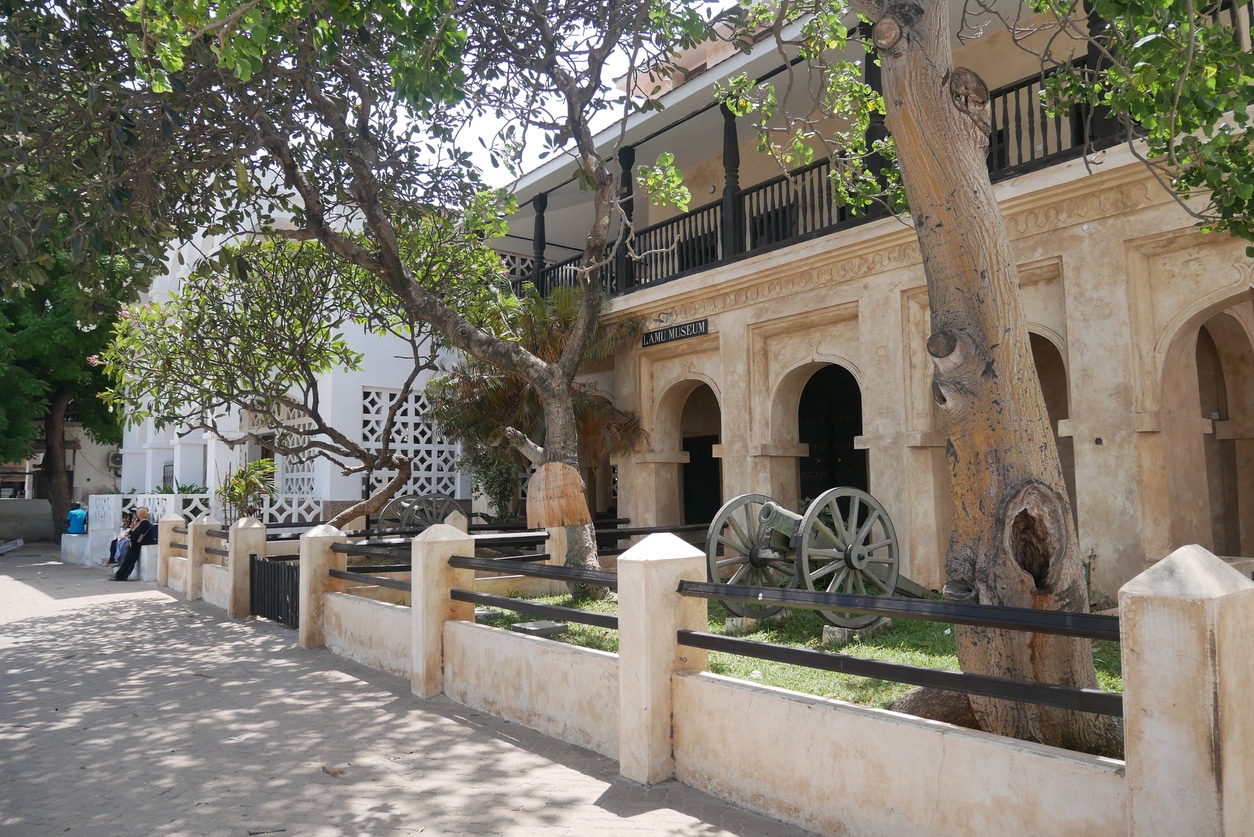
Along the Swahili Coast, places in Kenya and Tanzania reveal another important story. Historic towns such as Lamu and Stone Town reflect centuries of exchange among African, Arab, Persian, and Indian communities.
Their architecture, cuisine, and language traditions show how trade built cosmopolitan societies along the Indian Ocean. A thoughtful tour in this region can reveal the richness of cross-cultural contact without flattening its complexity.
North Africa and Ancient Continuity
North Africa offers a unique kind of historical immersion. Egypt often takes center stage in conversations, and with good reason, but exploring a broader regional journey can show how dynasties, empires, trade routes, and religious movements linked Africa to the Mediterranean and beyond.
In Morocco, cities like Fes and Marrakesh provide layered experiences with Islamic scholarship, city design, craftsmanship, and royal history. The medinas don’t feel like empty museum spaces. They pulse with work, worship, commerce, and family life. This ongoing activity makes the historical experience particularly vivid.
Tunisia and Algeria also offer striking sites linked to Roman rule, Islamic heritage, and anticolonial struggle. When travelers explore North Africa with historical intention, they begin to see the region not as separate from the rest of the continent but as deeply connected to broader African and global narratives.
RELATED: The Blackstar of Africa – Getting to Know Ghana Through History, Culture, Food and Fun
The Best Tours Add Human Context
The most rewarding history tours don’t rely on facts alone. They include storytellers, archivists, local scholars, artists, and community members who can explain why a place still matters. That human context makes all the difference.
A museum visit becomes more memorable when a guide connects an artifact to present-day customs. A walk through an old quarter becomes more meaningful when a resident explains how the neighborhood changed across generations. Even meals can become part of the learning experience when food traditions reveal migration patterns, trade links, or family heritage.
That’s why the best African history tours go beyond sightseeing. They invite conversation. They make room for nuance. They recognize pain without reducing places to trauma, and they celebrate achievement without oversimplifying the past.
Travel With Purpose
Travelers often remember how a place looked, but they remember even more when they understand what it meant. African history tours create that kind of lasting memory. They encourage humility, curiosity, and deeper respect for the people whose stories shaped each destination.
When you choose a tour that values context, local expertise, and thoughtful pacing, you gain far more than beautiful photos. You gain perspective. You begin to see connections across regions, eras, and cultures. You also discover that history in Africa is not distant or silent. It is alive, contested, preserved, and shared every day.