|
Getting your Trinity Audio player ready...
|
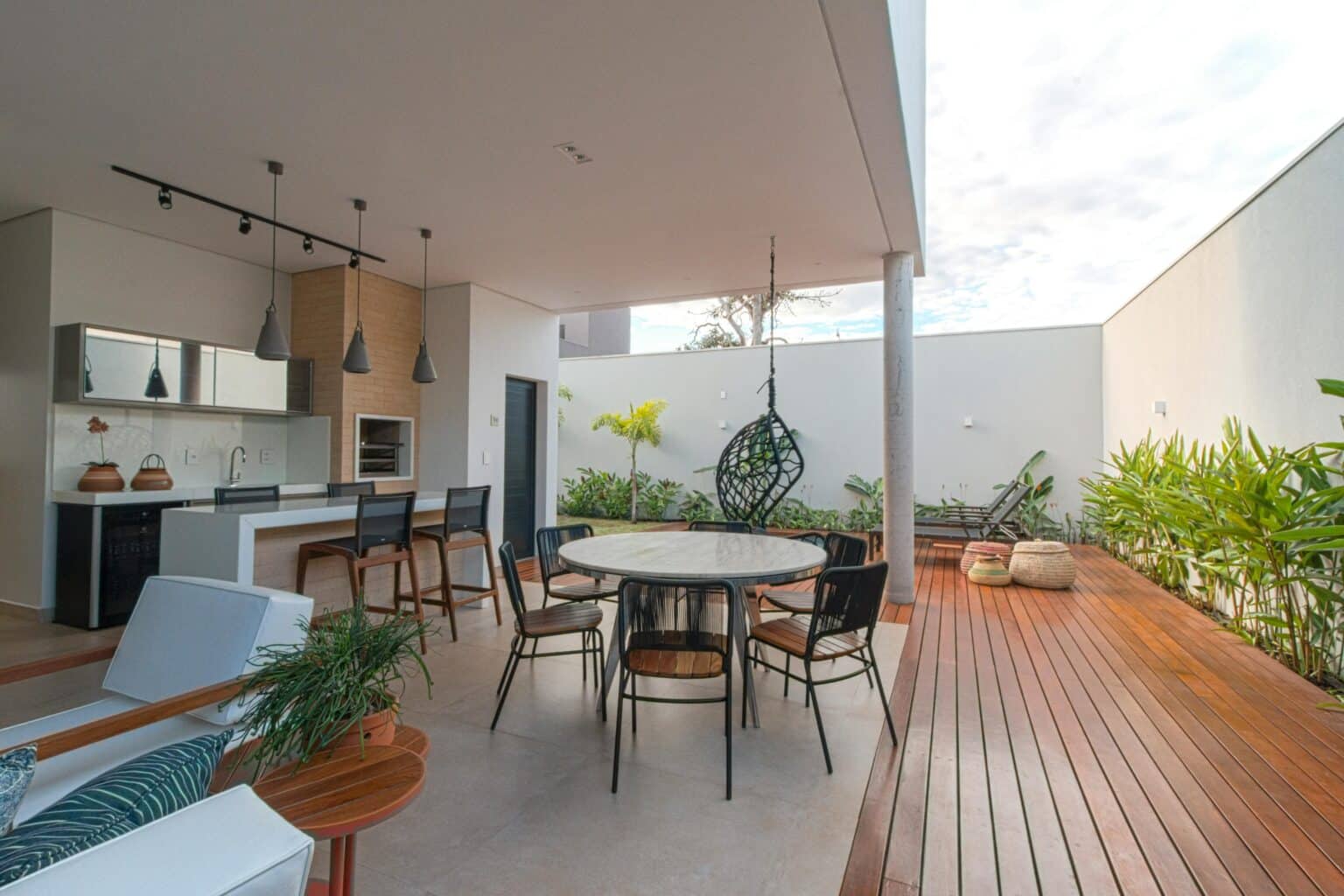
An outdoor kitchen can turn a backyard into a place where dinner feels easier, weekends feel longer, and family time happens more naturally. For parents, though, a beautiful setup is only part of the goal. The best outdoor kitchen supports the way a household really lives. It should handle busy evenings, hungry kids, changing weather, and the mess that comes with daily use.
A smart design starts with function. Before picking finishes or appliances, think about how the space will serve your family. Will it be a spot for quick weeknight grilling, long summer gatherings, or both? Keep reading to understand the important things to consider when designing an outdoor kitchen.
1. Start With the Right Location
Where you place your outdoor kitchen shapes everything from convenience to cleanup. A kitchen that sits too far from the house can make meal prep frustrating because you will spend more time walking back and forth for ingredients, dishes, and supplies. A setup closer to the back door usually makes more sense for families who cook outside regularly.
Placement also affects comfort. Look at sun exposure, wind direction, and how the space connects to the rest of the yard. If you want to keep an eye on kids while cooking, choose a location with a clear view of the play area or patio seating. Good placement helps the outdoor kitchen feel connected instead of isolated.
2. Think About How You Actually Cook
Some homeowners may focus on the flashy appliances for outdoor kitchens, like pizza ovens, side burners, beverage coolers, and built-in smokers. Those features can be great additions, but they should match your routine. If your family grills burgers, chicken and vegetables a few nights a week, a dependable grill and generous prep space may matter more than specialty appliances.
Picture a normal evening at home. Think through where you will prep food, cook it, plate it, and serve it. That flow should guide your layout. When the design follows your habits, the kitchen feels intuitive from day one.
3. Choose Durable Materials
One of the most important things to consider when designing an outdoor kitchen is the materials. Outdoor kitchens live through heat, rain, wind, spills, grease, and temperature swings. Materials must hold up without creating a long list of maintenance tasks. Countertops, cabinetry, flooring, and finishes should all suit outdoor conditions.
Durability matters even more for families. A surface that stains easily or hardware that breaks down quickly will create stress instead of convenience. Stainless steel, weather-rated cabinetry, and easy-to-clean countertop materials can save time and money over the long run. Practical choices do not have to look plain; they just need to stand up to real life.
4. Plan for Weather Protection
Weather can change the way an outdoor kitchen feels and functions. Shade, rain coverage, and wind control all deserve attention during the design stage, not after you complete the build. A pergola, covered patio, or roof extension can make the space more usable across more months of the year.
It’s also worth considering rolling shutters for your outdoor space. Rolling shutters enhance your outdoor kitchen by protecting your new, expensive appliances and more. Plus, their motorized convenience means you don’t have to scramble to remove furniture or apply covers when a sudden storm rolls through.
5. Build in Enough Storage
A functional outdoor kitchen should not send you indoors every five minutes. Storage helps keep grilling tools, serving platters, paper towels, seasonings, and cleaning supplies where you need them. Without enough storage, the space can start to feel cluttered and inconvenient.
Think about what belongs outside full-time and what needs a protected spot. Closed storage can help keep supplies cleaner and reduce visual mess. When everything has a place, setup and cleanup go much faster.
6. Don’t Forget Seating and Traffic Flow
An outdoor kitchen should let people gather without getting in the cook’s way. That balance matters in family spaces, where someone may be grilling dinner while kids ask questions, relatives chat, and guests move between the table and the yard.
Make sure there is enough room to walk through the space without crowding the cooking zone. If you plan to add bar seating, leave enough distance between stools and appliances so people can sit comfortably while the cook still has room to work. A well-planned layout makes the whole backyard feel calmer.
RELATED: 10 Signs That You’ve Outgrown Your Home’s Kitchen
7. Add Lighting for Safety and Flexibility
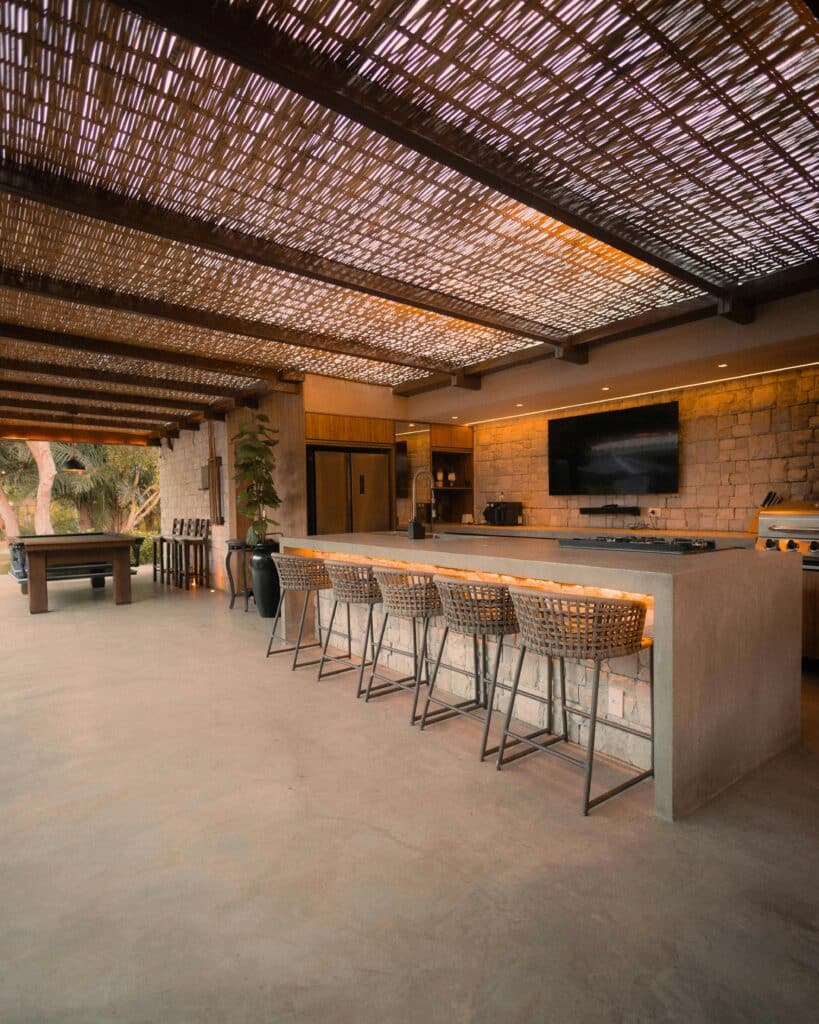
Good lighting extends the life of the space. It also makes cooking safer. You need task lighting near the grill and prep areas, but you also want softer lighting for dining and relaxing. When both layers work together, the kitchen can handle dinner prep and evening entertaining with ease.
For parents, lighting adds peace of mind. You can move through the space more safely after sunset, keep an eye on children, and avoid the frustration of grilling in dim conditions. Smart placement matters more than brightness alone.
8. Make Cleanup Easy
Cleanup should not feel like a second job. When you design an outdoor kitchen, think about how you will wipe down surfaces, empty trash, and manage dirty dishes. A sink can make a huge difference if plumbing is available. If not, a simple plan for trash, recycling, and nearby indoor access still helps.
Choose finishes that clean up easily after food splatter and family meals. A beautiful outdoor kitchen that is hard to maintain can lose its appeal fast. Simple cleanup keeps the space inviting for regular use.
9. Consider Privacy and Noise
Outdoor kitchens can become social hubs, but they still need to feel comfortable. Privacy matters if your yard sits close to neighbors or a busy street. Strategic design elements like fencing, landscaping, screens, or structural features can create a more relaxed atmosphere.
Noise also plays a role. Think about where the outdoor kitchen sits in relation to bedrooms, nearby homes, and conversation areas. If the grill, venting, or appliances create sound, you want that impact to feel manageable. Comfort comes from more than looks.
10. Design for the Future
Your family may use the space differently in a few years than you do now. Small children grow up, entertaining styles change, and a backyard that works for quick weekday meals today may become the gathering spot for teen hangouts and holiday cookouts later.
That is why flexible planning matters. Leave room for upgrades if your budget is tight right now. Choose a layout that can adapt to new appliances, extra seating, or changing storage needs. The best design is one that still feels useful as life evolves.
Designing an Outdoor Kitchen That Balances Style and Practicality
Designing an outdoor kitchen is not just about creating a pretty place to grill. It is about building a space that supports the way your family cooks, gathers, and spends time together. When you focus on layout, durability, weather protection, storage, and comfort, you create a kitchen that people will use and love for years to come.
The best spaces feel easy. They welcome busy weeknights, casual weekends, and celebrations without demanding too much work in return. When you design with daily family life in mind, your outdoor kitchen becomes more than a backyard feature; it becomes part of the home.