|
Getting your Trinity Audio player ready...
|
Do you love putting together a big dinner when everyone’s hungry and the kitchen smells amazing? A full table is the fun part. The stack of bowls, pans, serving spoons, and plates waiting afterward is a different story.
If you love cooking big meals but don’t love what happens after, a few kitchen cleanup habits can make the whole process easier from start to finish. You don’t need to spend the rest of the night stuck at the sink. A better routine can keep the mess from building into an all-night job.
Consider a Bigger Sink
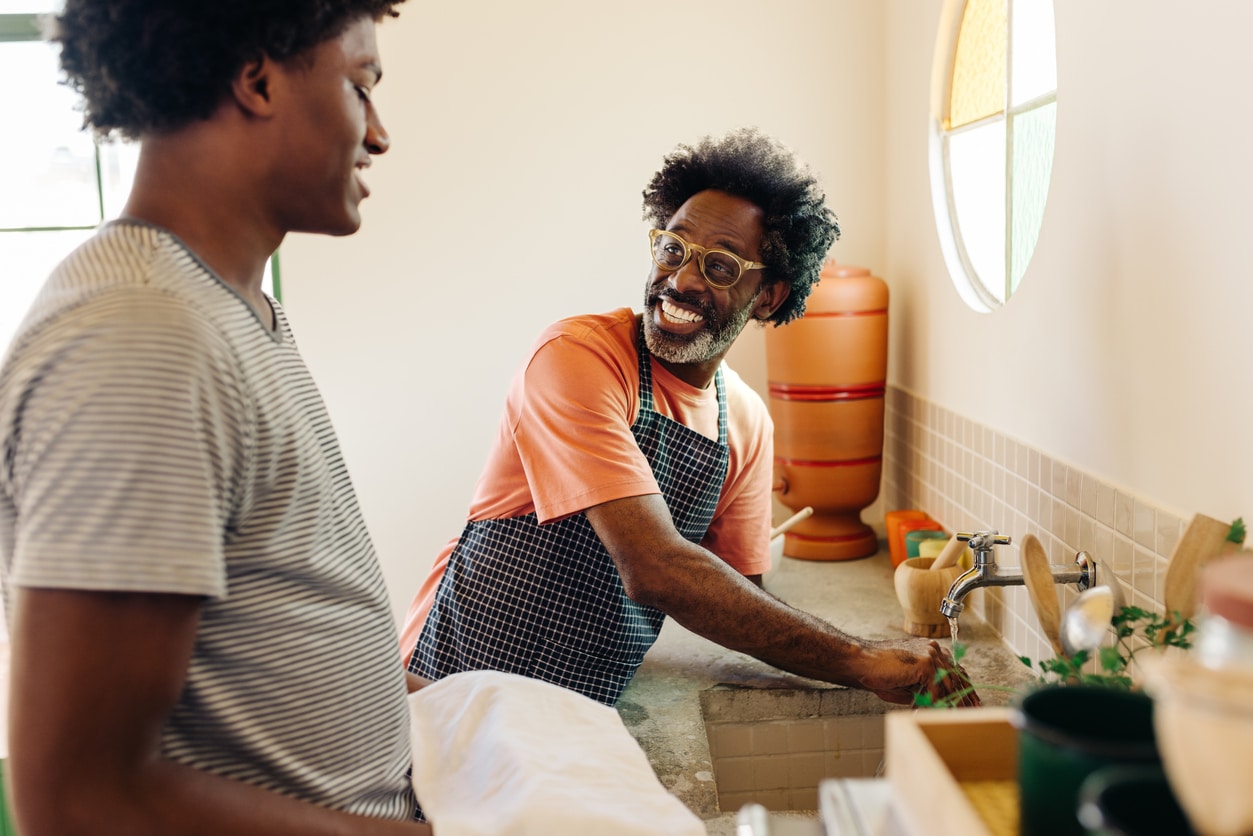
After a big meal, you’re left with a mountain of dirty cookware, dinnerware, and silverware. Where will you put it all? It’s not all going to fit in a standard-sized sink, that’s for sure. Those who cook large meals on the regular can benefit from a larger sink that allows them to wash and rinse more dishes at once.
A popular option for this is a drainboard farmhouse sink, which features two basins, as well as a built-in drainboard. These sinks are surprisingly easy to install in a kitchen and add extra practicality during big cleanup sessions.
Wash a Few Items While Food Cooks
Mess doesn’t magically appear after cooking ends. It shows up in stages. The measuring utensils get dirty first as you portion out ingredients for your meal. Then the mixing bowls, prep tools, and pans start to collect in the sink.
When you have a little free time for start kitchen cleanup during cooking—for example, if you’re waiting on a pot of water to boil, or while something finishes in the oven—use that opportunity to clean up the dishes you have so far. This way, you get some of the cleanup done pre-meal, so you’re not left with an intimidating pile once dinner is over.
Keep Trash and Scraps Under Control
Food scraps can take over the counter before the meal is even finished. Onion skins, herb stems, packaging, paper towels, and empty containers add up quickly when you’re cooking for a group.
Letting all of that sit in your workspace makes the kitchen feel cluttered and gives you one more mess to deal with later. Keeping a trash can nearby, or setting aside one spot for scraps as you cook, helps contain the mess right away. That leaves less to pick through after dinner and makes the rest of the kitchen cleanup feel a lot more straightforward.
Soak the Tough Stuff Right Away
Some dishes get harder to clean the longer they sit. A casserole dish with baked-on sauce or a pan coated in grease can turn into a much bigger job by the end of the night. Filling those items with warm, soapy water early gives food residue time to loosen up while you finish cooking and eat. Then, when you come back to wash everything, you won’t have to fight with stuck-on bits that should’ve come off much easier the first time.
RELATED: How Long Can You Keep Frozen Food? The Dos and Don’ts of Freezing Food for Later
Put Leftovers Away Before You Start Washing
Kitchen cleanup is harder when the table is still covered with food containers, serving bowls, and half-empty plates. Putting leftovers away first clears space and helps you see what actually needs washing. It also prevents food from sitting out longer than it should. Once containers are packed and extra portions are in the fridge, it gets easier to determine what needs to go in the sink, what can go in the dishwasher, and what still belongs on the counter.

Wipe Down Surfaces Before Spills Set
Counters collect more than people realize during a big meal. Drips from sauce, seasoning dust, grease spots, and crumbs all build up while you cook and serve. Leaving that mess until the very end can make the kitchen look worse than it really is. A quick wipe once the food is off the counter helps you get ahead of it. It also keeps sticky spots from spreading when you start moving containers, dishes, and small appliances around during cleanup.
Sort Dishes Before You Start Washing
A sink full of mixed dishes can slow everything down. Plates end up stacked on top of pans, utensils disappear under serving bowls, and fragile items get buried where they’re easy to miss. Taking a minute to group everything by type gives the cleanup some structure before you even turn on the water. Plates can go in one spot, cookware in another, and glasses somewhere safer. That makes it easier to wash in a consistent order and avoid wasting time digging through a pile of dishes to find what you need next.
Load The Dishwasher with a Plan
A dishwasher can save a lot of work after a big meal, but only if you use the space well. Randomly tossing things in often leads to blocked spray arms, crowded racks, and dishes that come out needing another wash. Plates, bowls, cups, and utensils all clean better when they’re placed where they belong and given enough room for water to reach them. A thoughtful load can handle more in one cycle, which cuts down on hand-washing and gets the kitchen back under control sooner.
Leave The Last Few Pots for the End
Trying to wash every large pot and pan at the same time can make the kitchen cleanup feel heavier than it needs to. The bulkiest items take up the most space, block access to everything else, and often need more attention than plates or utensils. Saving those pieces for the end opens up the sink and lets you move through the easier items first. By the time you get to the cookware, the pile is smaller, the kitchen looks better, and the last part of cleanup feels a lot less frustrating.
Make the Kitchen Cleanup Easier to Finish
A big meal doesn’t have to end with every dish in the house piled around the sink. When you make kitchen cleanup easier in small ways throughout the process, the kitchen gets back to normal a lot faster and with a lot less backtracking. That gives you more time to sit down, relax, and enjoy the fact that you pulled off a great meal.