|
Getting your Trinity Audio player ready...
|
Food connects memory, place, and people in ways few other experiences can equal. Pizza, with its simple base of dough, sauce, and cheese, offers a canvas for cultural expression. When you pair this beloved dish with African ingredients, you create a meal that tells a richer story.
Across the African continent, cooks rely on bold spices, hearty grains, fragrant stews, and vibrant produce. These elements reflect history, climate, trade, and family traditions that shape regional identity. When you layer these flavors onto pizza, you transform a familiar favorite into a meaningful cultural encounter.
This approach invites curiosity and respect for diverse culinary heritage. It also allows hosts to present something familiar yet refreshingly different at the table. With thoughtful choices and clear intention, you can turn a pizza into a cultural experience rooted in African taste and tradition.
Honor the Diversity of African Ingredients
Africa contains 54 nations, each with distinct culinary traditions and flavors. North African dishes feature cumin, coriander, and preserved lemon with deep aromas. West African recipes highlight peanut stews, chilies, and fermented grains with bold taste.
East African kitchens use berbere spice, lentils, and flatbreads with warm heat. Southern regions showcase peri peri peppers, maize, and slow-cooked meats. Recognize this diversity before you design a pizza inspired by African heritage.
Start With a Thoughtful Dough Foundation
A meaningful pizza begins with a dough that reflects regional grain traditions. Consider teff flour, which Ethiopians use for injera with an earthy flavor. Sorghum or millet flour can also echo African agricultural heritage.
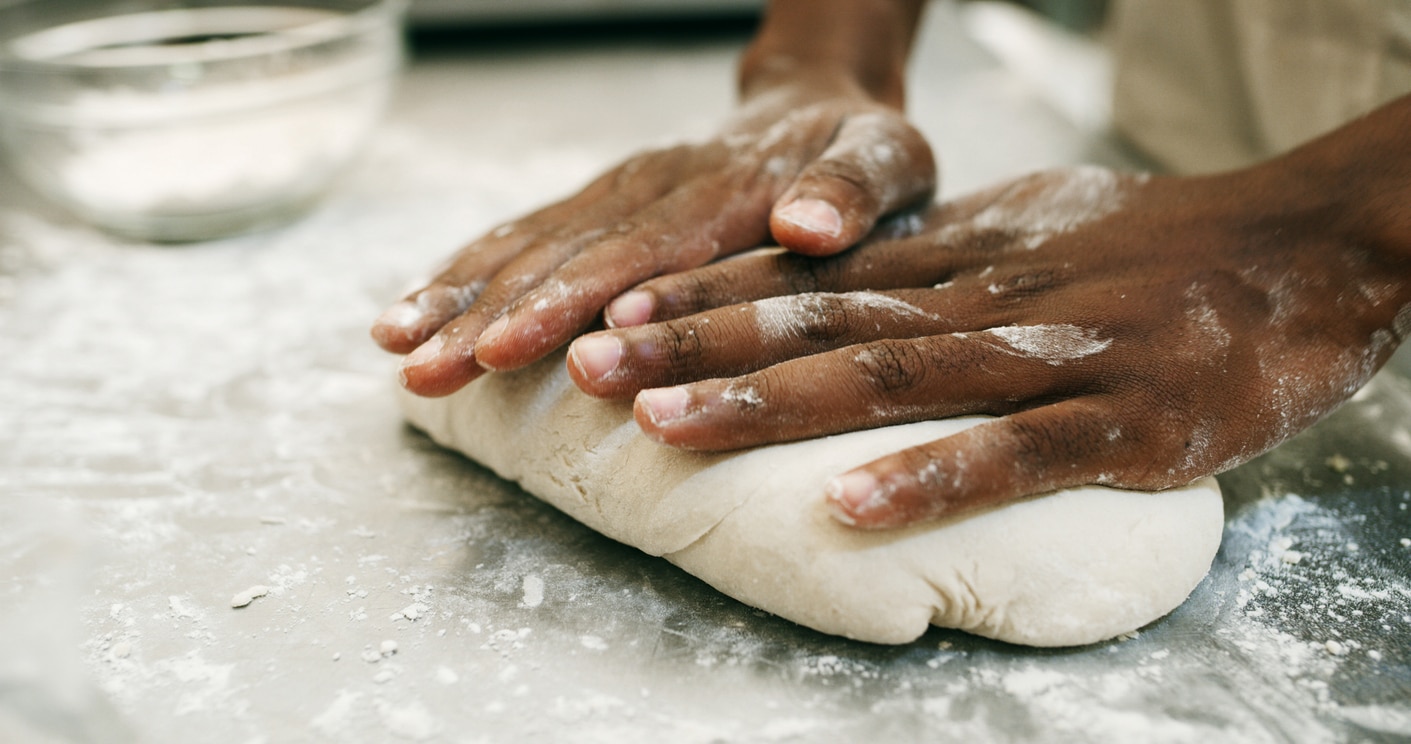
Blend these flours with wheat to maintain structure and elasticity. This approach respects tradition while ensuring a pleasing texture. A well-crafted base sets the stage for authentic African-inspired toppings.
Build Flavor With Distinctive Sauces
Tomato sauce offers familiarity, yet African cuisines provide many alternatives. Try a peanut sauce inspired from Ghanaian groundnut stew. Combine roasted tomatoes with harissa for North African heat.
You may also prepare a red pepper sauce with peri peri. Ethiopian berbere blended into olive oil creates a fragrant base. Each sauce choice communicates region, history, and cultural context clearly.
Incorporate Proteins With Cultural Significance
Proteins shape the character of many African cuisines, making them rich, nutritional, and delicious. Consider spiced lamb with cumin and coriander for North Africa. Use chicken seasoned with peri peri to evoke Mozambican tradition.
Plant-based options also reflect regional practice across the continent. Lentils cooked with berbere offer depth without reliance on meat. Groundnut stewed chickpeas can deliver rich flavor and satisfying texture.
Highlight Vegetables and Indigenous Produce
African markets display vibrant produce that can transform a pizza topping. Okra, eggplant, and sweet potato provide color and a distinct taste. Caramelized onions with dates echo North African culinary heritage.
Add spinach seasoned with garlic and nutmeg for East African flair. Roasted plantain slices contribute subtle sweetness and texture contrast. These vegetables create balance alongside bold spices and savory proteins.
Use Spices With Intention
Spices anchor African cuisines and deserve careful, informed use. Berbere blends chili, fenugreek, and warm aromatics for complex heat. Ras el hanout offers a layered fragrance through many ground spices.

Toast whole spices lightly before use to release the full aroma. Measure blends carefully to avoid overwhelming the palate. Respect for proportion preserves authenticity and honors culinary tradition.
Present the Pizza as a Shared Experience
A cultural meal extends beyond ingredients into the way you serve it. Arrange the pizza on a large platter at the center so everyone gets access at the same time. Encourage guests to share slices and discuss flavors together.
Explain the origin of each topping with a brief context and the decision to use them. Share stories about regions that inspired your choices and why you decided to share. This conversation transforms dinner into a moment of cultural exchange.
Embrace Outdoor Cooking Traditions
Outdoor cooking resonates with communal traditions across many African societies. A wood-fired oven creates warmth and gathering space. Flames impart subtle smoke that complements bold spices.
One of the mains reasons to add a pizza oven to your outdoor kitchen is that you can recreate authentic heat that honors traditional fire-based cooking methods. You can prepare each pizza to order with fresh toppings. The process itself becomes part of the cultural narrative and encourages guests to gather near the oven.
RELATED: 4 Different Pizza Styles You Need to Try Making
Pair With Complementary African Beverages
Complementary beverages elevate your African-inspired pizza into a cohesive cultural experience. Drinks carry history, ritual, and regional identity that deepen each flavor on the plate. This is a curated list of African beverages that pair beautifully with diverse pizza toppings inspired by the continent:
- Hibiscus Tea (Bissap or Zobo): This vibrant red infusion offers tart, floral notes that balance rich meats and cheeses. It pairs especially well with peanut sauce bases and spiced lamb toppings.
- Moroccan Mint Tea: Sweet green tea with fresh mint leaves provides contrast to bold spice blends. It complements harissa sauces and roasted vegetable combinations with refreshing clarity.
- Ginger Drink: Fresh ginger beverages deliver warmth and subtle heat without overwhelming the palate. This drink supports peri peri chicken or berbere-seasoned vegetables with lively brightness.
- Baobab Fruit Juice: Baobab juice offers tangy citrus notes and light natural sweetness. It enhances plant-based pizzas featuring lentils, chickpeas, and roasted sweet potatoes.
- Tamarind Drink: Tamarind beverages provide sweet and sour complexity that matches spicy toppings. This pairing works well with North African lamb and cumin-seasoned sauces.
- Rooibos Tea: South African rooibos presents earthy, smooth flavor without caffeine. It balances smoky wood-fired crusts and richly spiced tomato alternatives.
- Palm Wine: In regions where it is traditionally enjoyed, palm wine offers mild sweetness and a gentle fermentation character. It pairs nicely with savory toppings that feature grilled meats or plantains.
Create a Thematic Setting With Care
Ambience shapes how guests perceive the cultural dimension of a meal. Use textiles with African patterns to dress your table. Play music from the regions that inspired your toppings.
Avoid stereotypes and approach decoration with informed respect. Provide context about artists and cultural motifs you feature. This thoughtful atmosphere strengthens the connection between food and heritage.
Reflect on Cultural Appreciation and Responsibility
Cultural inspiration requires awareness and sincere respect. Research each ingredient to understand its role within local cuisine. Avoid superficial combinations that ignore historical context.
Acknowledge sources and celebrate the people behind these traditions. Support African-owned producers when you purchase specialty ingredients. This mindful approach ensures your pizza honors rather than exploits heritage.
Turning a pizza into a cultural experience with African ingredients demands more than creative toppings. It requires research, intention, and a sincere desire to celebrate diverse culinary traditions. When you integrate regional grains, spices, proteins, and produce with care, you craft a meal that speaks with authenticity.
Such a pizza can introduce guests to flavors they may never have encountered. It can spark conversation about geography, trade, and shared human experience across continents. Through thoughtful preparation and presentation, you transform a simple dish into a respectful tribute to African culinary richness.