|
Getting your Trinity Audio player ready...
|
When shopping for honey in stores, you’ve noticed some bottles hold crystal-clear golden honey, while others look hazy. Why is that? You may wonder if the cloudy honey is going bad, or if it means something got mixed into the jar.
The answer is more interesting and worth knowing than you’d think! Both clear and cloudy honey can be fresh, safe, and delicious, but they have different tastes and different texture profiles. Here’s what you need to know about why some honey is clear while other honey is cloudy, how they get their levels of clarity, and what those differences mean for how honey pours, spreads, and tastes.
Clear Honey
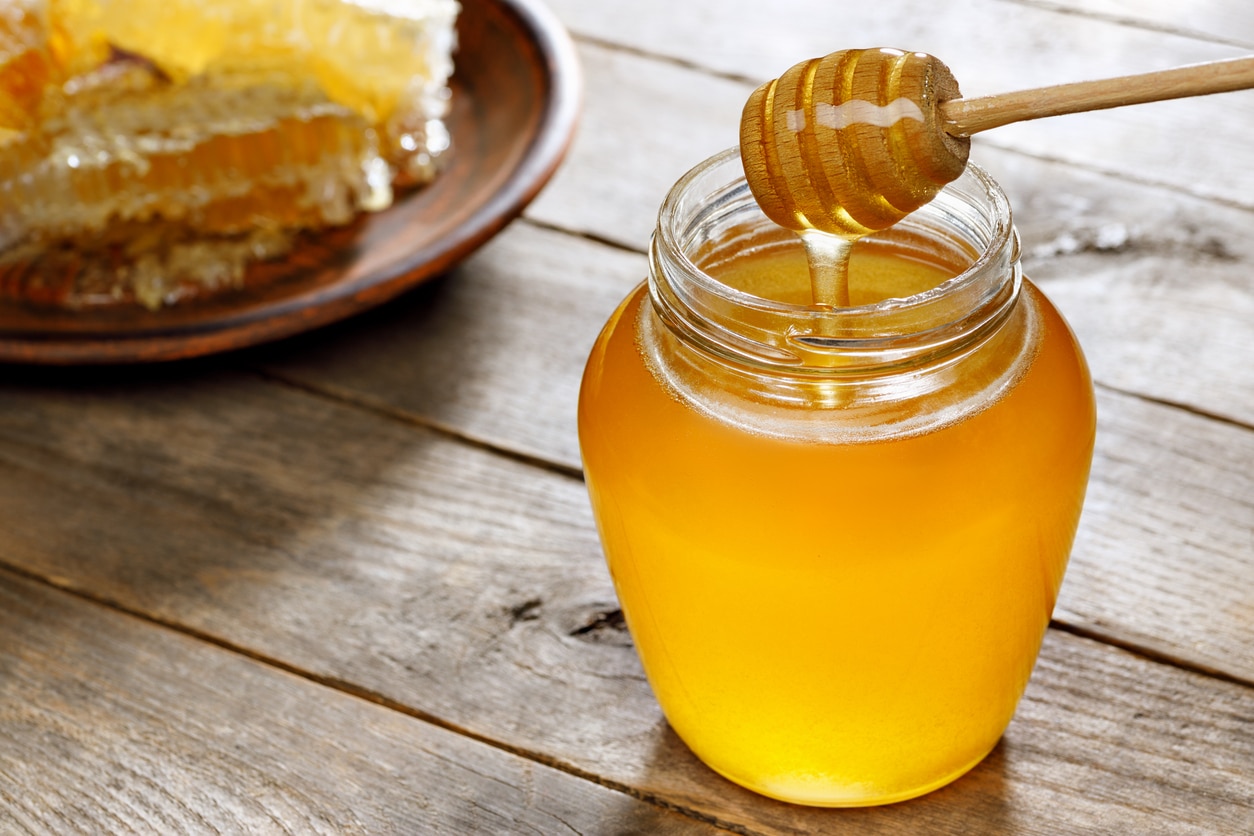
Clear honey gets its glassy look from filtering. After beekeepers remove honey from the comb, they strain and filter it so tiny natural pieces don’t stay suspended in the jar. Those pieces can include pollen, wax flecks, air bubbles, and tiny sugar crystals. Once the beekeeper removes that material, light passes through the honey with less interruption, so the honey looks smooth and transparent.
The step-by-step process of creating clear, filtered honey looks like this:
- Beekeepers remove capped honey frames from the hive.
- The wax caps come off so honey can leave the comb.
- The frames spin in an extractor to pull the honey out.
- The honey rests so foam and air bubbles rise.
- Beekeepers warm the honey so it flows through filters.
- Fine filters remove tiny pieces that cause haze.
- The honey gets bottled with a smooth, transparent look.
Honey is Cloudy
Cloudy honey is raw honey with less fine filtering before bottling. The beekeeper still strains the honey, so large wax pieces stay out of the jar. The difference is in the smaller material. Fine pollen, tiny wax flecks, enzymes, and small air bubbles can stay suspended in the honey instead of getting filtered away.
Those small pieces affect the way the honey looks. When light passes through raw honey, those suspended particles break up the shine and give the honey a hazy appearance. The jar can look thicker and grainier, even when the honey is fresh.
Creating cloudy honey is much easier than creating clear honey, because there’s less filtering involved. Here’s what the process looks like from hive to jar.
- Beekeepers remove capped honey frames from the hive.
- The wax caps come off so the honey can drain or spin out.
- The honey moves through a coarse strainer.
- Large wax pieces stay out of the jar.
- Small pollen grains and fine wax flecks remain.
- The honey gets bottled with more natural texture intact.
- The finished jar can look cloudy, thick, or softly grainy.
To Summarize
To summarize, the main difference between clear and cloudy honey is that one is filtered, one isn’t. Regular honey is clear because beekeepers follow filtering best practices to remove as much of the pollen, wax, air bubbles, and tiny sugar crystals as possible. When all the suspended particles are removed, the honey looks clear. Raw honey retains those particles, which float in the liquid and create a cloudy appearance.
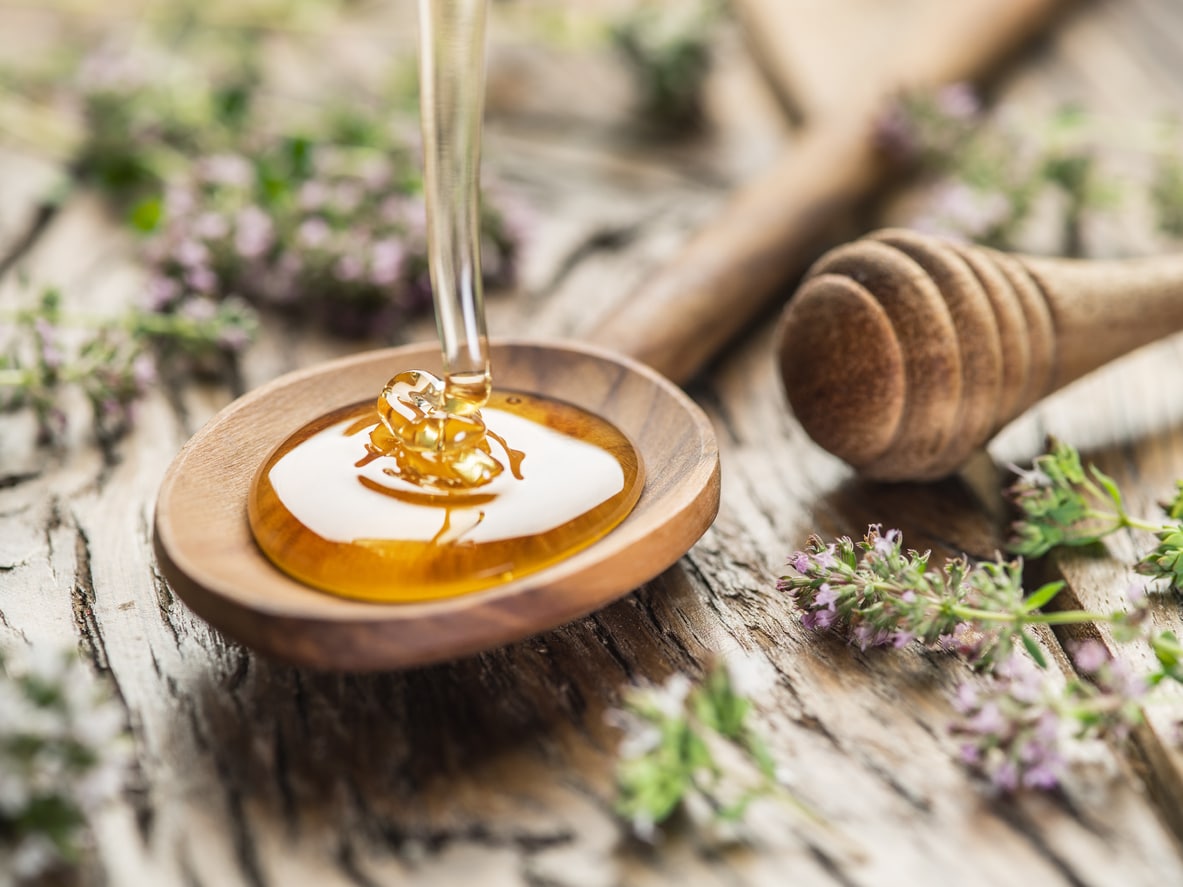
That single processing difference explains most of what shoppers see on the shelf. Clear honey looks glassy because beekeepers remove the tiny pieces that interrupt light. Cloudy honey looks hazy because those tiny pieces remain in the jar. Both types can come from healthy hives. The visual difference doesn’t automatically tell you which honey has better quality.
RELATED: 7 Tips for Cooking With Honey in Savory Dishes
Which Is Better for Eating and Cooking?
Once you know why one jar looks clear and another looks cloudy, the next question is simple: which one belongs in your food? The answer depends almost exclusively on what you’re making. Heat, texture, mixing, and flavor all change how honey acts once it leaves the spoon.
What If You’re Baking?
Clear honey is what you should choose for baking because it mixes smoothly into batters and doughs. Heat already changes honey’s delicate aroma, so the extra character of raw honey can get lost once the food goes into the oven. Clear honey gives sweetness and moisture without adding grainy texture.
What If You’re Sweetening a Drink?
Clear honey dissolves more easily in hot drinks and stirred sauces. It also gives a cleaner finish when you want sweetness without a stronger honey flavor. Raw honey can still work in warm drinks, but crystallized pieces may take longer to dissolve.
What If You’re Spreading It on Food?
Cloudy raw honey has the advantage here. Its thicker texture helps it stay in place on toast, biscuits, and similar foods. If the honey has started to crystallize, that texture can be useful because it spreads instead of running straight off the edge.
What If You Want Stronger Flavor?
Raw honey is the better pick when honey is a main part of the bite. It keeps more pollen and fine wax particles from the hive, so it can taste richer than filtered honey. The floral source still controls the main flavor, but raw honey keeps more of that character in the jar.
What If You Want Less Fuss?
Clear honey is simpler for everyday measuring and cooking. It pours from the bottle, mixes into recipes, and stays liquid longer because the filtering process removes many crystal-forming particles. If you cook with honey often, clear honey keeps the process easy.
So Which One Should You Buy?
Buy clear honey when you want a smooth sweetener for drinks, cooking, and baking. Buy cloudy honey when you want thicker texture and stronger honey flavor. Neither option needs to win every single job. A lot of kitchens use clear honey for recipes and raw honey for topping food.
The Sweet Takeaway
Both options belong in the honey conversation, and neither one deserves side-eye from the grocery aisle. Clear and cloudy honey come from the same basic source, but filtering changes how they look, pour, and taste. Clear honey gives you a smooth, consistent sweetener. When you honey is cloudy, it gives you thicker texture and bolder taste. Pick the one that fits how you’ll use it, then store it sealed at room temperature.