|
Getting your Trinity Audio player ready...
|
You’re standing in front of the meat counter at the grocery store, staring at rows of steaks, chicken, and pork, and you’re a little overwhelmed. You want to pick something that’s going to be delicious and worth your money, but what really separates the good from the great?
Learning how to identify high-quality meat when you shop isn’t as hard as it seems. It just takes a little knowledge about what to look for. You don’t need to be a professional chef to make excellent choices for your family’s meals.
Look for Vibrant Color
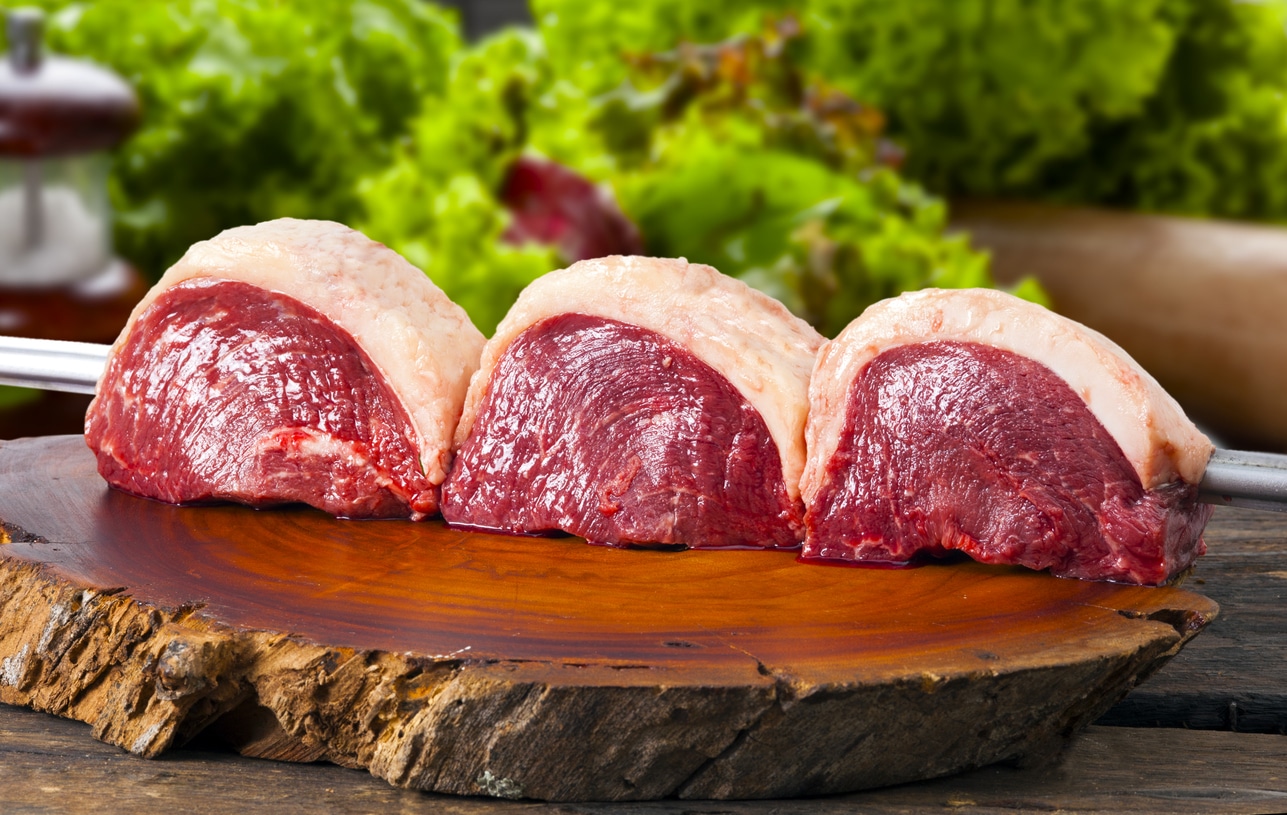
The color is one of the first things you’ll notice about meat, and it’s a great initial indicator of freshness and quality. For beef, you’re looking for a bright, cherry-red color. If it’s starting to look a bit brownish or gray, it’s likely been exposed to oxygen for a while and might be past its prime.
With pork, you want a light pinkish-red hue. Avoid any pieces that look pale or have dark spots. When it comes to poultry, a consistent pinkish color is ideal. Any yellowing or grayish tones could mean it’s not as fresh as you’d like.
Keep in mind that vacuum-sealed meats can sometimes have a purplish color, which is normal. The color should return to a brighter red once the package is opened and the meat is exposed to air for a few minutes.
Examine the Marbling
Marbling refers to the little white flecks of intramuscular fat you see within a cut of meat. This fat melts during cooking, and it’s responsible for a lot of the flavor and juiciness you enjoy in a great steak or roast.
For beef, excellent marbling is a hallmark of a high-quality cut. It should be evenly distributed throughout the muscle, not just in one big clump. Cuts like ribeye and New York strip are famous for their marbling. While you don’t look for marbling in leaner meats like chicken breast in the same way, the general principle of fat equaling flavor still applies. A little fat helps keep the meat moist and tender during cooking.
Check the Cut and Trim
A quality piece of meat should look like it was handled with care. The cut itself should be uniform and neat, without jagged edges or torn pieces. A clean cut indicates that the butcher was skilled and took pride in their work.
Also, check the amount of excess fat on the outside. While you want that beautiful intramuscular fat (marbling), you don’t want a huge, thick cap of external fat unless you’re buying a specific cut where it’s desirable, like a brisket.
A good butcher will have trimmed the cut appropriately, leaving just enough fat to add flavor without you having to pay for a lot of waste. Poorly trimmed meat can sometimes be a sign that the processor was rushing, which might reflect in other areas of quality as well.
Understand the Grade
Meat grading is a voluntary service, but it’s a helpful system that tells you about the tenderness, juiciness, and flavor of beef. In the United States, the USDA grades beef as Prime, Choice, and Select.
Prime is the highest quality you can get, with abundant marbling. It’s usually found in high-end restaurants and specialty butcher shops. Choice is still high quality but has less marbling than Prime. It’s the most common grade found in grocery stores and offers a great balance of quality and price.
Select is the leanest grade and has the least amount of marbling. It’s still fine for many cooking methods but can be less tender and juicy. Knowing these grades helps you understand what you’re buying and set your expectations for the final cooked product.

Consider the Source
The taste and texture of meat can differ depending on where the animal was raised and what it was fed. This is more prominent with some types of meat than others. For example, American and Japanese Wagyu beef differ greatly in their marbling and flavor profiles, a direct result of different breeding and feeding standards.
Many people prefer to buy from local farms or butchers who can tell them about how the animals were raised. Terms like “grass-fed,” “organic,” or “pasture-raised” can also give you clues about the quality and flavor. Grass-fed beef, for instance, tends to be leaner and has a different flavor profile than conventional grain-fed beef.
Feel the Texture
If the packaging allows, gently press on the meat. A high-quality piece should feel firm to the touch, not soft or mushy. The muscle fibers should be fine and tightly packed. When you press on it, the meat should spring back slightly. A soft texture can indicate that the meat is older or hasn’t been stored properly. This is particularly true for poultry and fish.
If the meat feels slimy or sticky, that’s a definite red flag. The surface should be moist but not wet. Any excess liquid pooling in the bottom of the package could be a sign that the meat isn’t as fresh as it should be. A clean, firm texture is a good sign that you’re getting a quality product.
RELATED: Smoked Brisket Basics For Beginners
Pay Attention to the Smell
This one might be tricky to do in the store, but it’s an important step once you get the meat home. Fresh, high-quality meat shouldn’t have a strong or unpleasant odor. Beef should smell, well, beefy and fresh. Poultry should have a neutral smell. Pork should have a very mild scent.
If you open a package and are hit with a sour, pungent, or ammonia-like smell, the meat has gone bad and shouldn’t be consumed. Discard the meat or return it to the store. A lack of any strong odor is generally a very good sign.
Inspect the Packaging
Finally, take a close look at the packaging itself. Whether it’s a plastic-wrapped tray or a vacuum-sealed bag, the packaging should be intact and undamaged. Any tears, punctures, or broken seals can expose the meat to air and bacteria, which will speed up spoilage.
Check the “sell-by” or “use-by” date on the label. While these dates are more about peak quality than safety, it’s always best to choose the freshest package available. Also, look for excessive liquid in the tray. A little bit of reddish liquid, called purge, is normal. But a large pool of it could mean the meat has been sitting for a while or was previously frozen and thawed improperly.
Putting It All Together
Bringing home a great cut of meat for dinner doesn’t have to be a game of chance. By keeping these tips on how to identify high-quality meat when you shop in mind, you can feel much more confident in your choices at the butcher counter. Soon enough, you’ll be picking out the perfect piece every time.