|
Getting your Trinity Audio player ready...
|
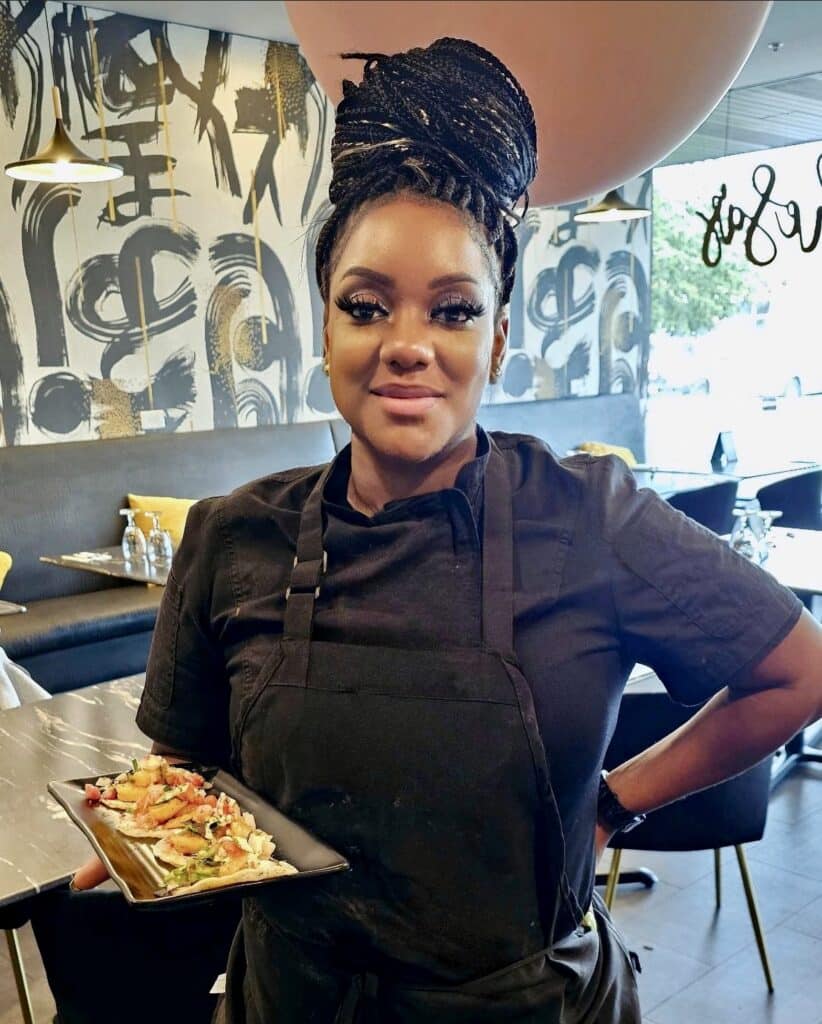
Chesa Rollins never imagined that a medical diagnosis would be at the heart of her gluten free restaurant empire. “In 2013 when I was pregnant with my daughter, Chloe, I was diagnosed with celiac disease,” shares the owner and operator of CheSa’s Bistro & Bar, a popular restaurant in Chicago, Illinois, spotlighting Creole cuisine.
“Celiac disease is an autoimmune disease for people who cannot consume or have gut irritation towards gluten. So that [food sensitivity] includes any flour, wheat, yeast, barley and most processed gluten foods. Due to the fact that I was pregnant, when you have autoimmune disease or celiac, the symptoms of the intolerance are escalated, so you feel the effects a lot more.”
With many foods on the “not allowed list” for her, Rollins admitted to feeling hungry most days during her pregnancy. The Chicago native thought, “Someone needs to start a gluten free food truck.” That someone turned out to be her.
Taking Gluten Free Food on the Road
At the time, Rollins worked in the finance industry as a program/grant manager for several nonprofits and had absolutely no background in the culinary world. But armed with her own research about celiac disease, and the foods allowed for individuals with her condition, she began developing her own gluten free recipes.
“I had to do a lot of research on anatomy, the digestive system and how it [celiac disease] impacts us as African Americans and as women, dietary restrictions and things of that nature. So a lot of the home-based research that I did was trial and error,” she reveals.
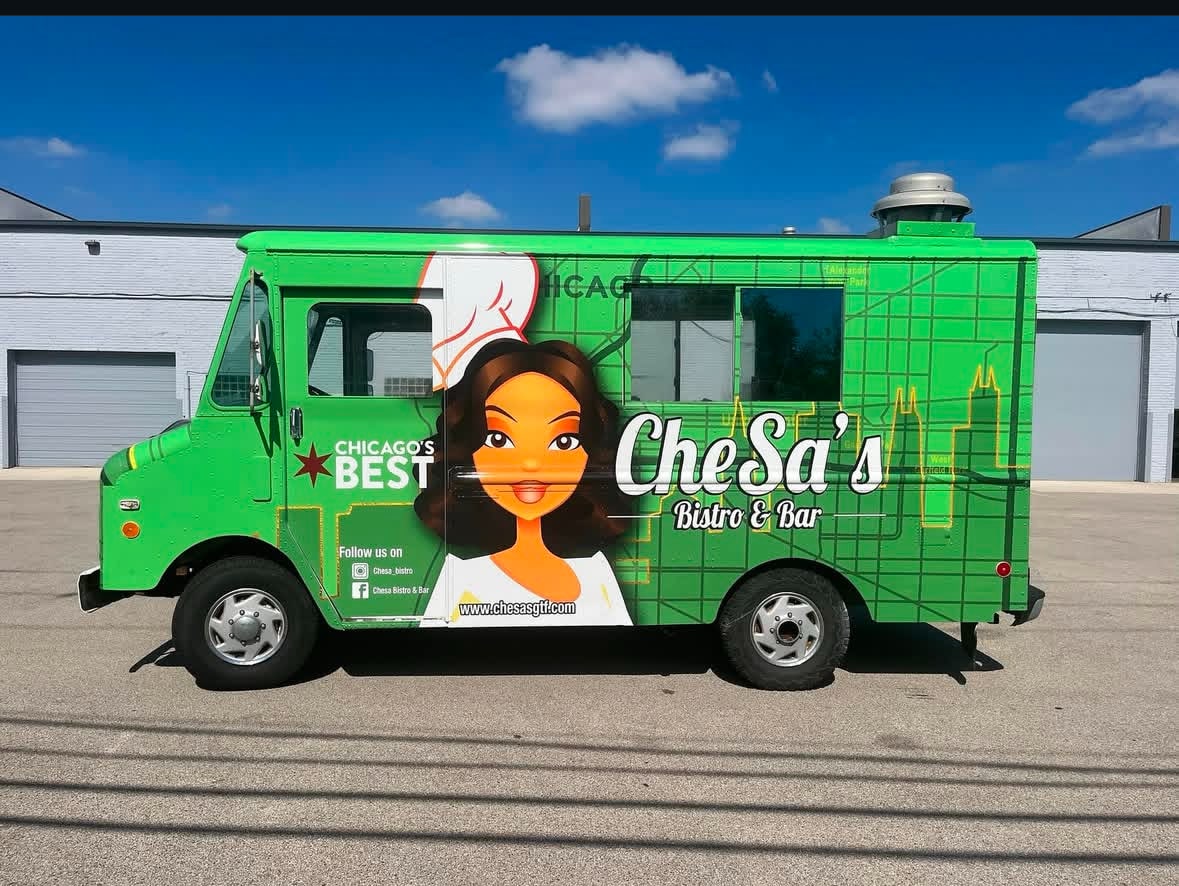
As luck would have it, Rollins stumbled upon an abandoned food truck in Chicago’s Bridgeport neighborhood. “I sought out the original owners, purchased the truck and that’s kind of how the story began,” recounts Rollins, who made the career leap from finance to culinary.
“In opening up a food truck [business], I thought I would hire a chef and I would just do the logistics, the admin. But life doesn’t always work out that way.” With funds already invested in the food truck, Rollins found herself without a chef and had to step into the role herself. “I was cooking the food but I didn’t think of myself as a chef,” recounts the businesswoman.
“I’m not classically trained [as a chef]. I come from the corporate side of the world of finance,” notes the entrepreneur, who says she’s the first in her family to cook professionally. “I learned how to cook from my grandmother, Maggie. I stayed with my grandparents often as a child and my grandmother cooked every day.”
With grandparents who traced their roots from Arkansas and Florida to Georgia, Louisiana and Alabama, southern cooking culture influenced household meals says the Chicagoan who grew up on the city’s South Side in the Roseland and Englewood communities.
“When I started working with the American Heart Association, they wanted me to do some nutritional classes to underserved communities [with the food truck]. And they said, ‘We need a chef for the program.’ And I was like, ‘Well, I can recommend someone.’ And they said, ‘No, we want you and your background and understanding of how gluten impacts the body and how to properly prepare meals that are gluten-free.’”
It was at that point in her career that Rollins fully embraced the role and title of “chef.” She worked on the food truck, catered events and continued to do so for about seven years, serving up gluten free restaurant-worthy creations like fried rice bowls, salads and tacos to a loyal customer base.
In 2020, COVID hit and, like most culinary businesses, Rollins had to pivot to survive during the pandemic. “I moved into a ghost kitchen and I did 11 different menu concepts—all 100-percent gluten free. We had everything from wings and burgers to soul food, Creole, you name it,” she says about her operation which produced food exclusively for delivery and takeout.
“What I saw was that the Cajun-Creole menu was the most popular items that we were selling. So I said if I were to ever do a full-service restaurant, this would be the primary theme of what I would be selling.”
A Gluten Free Restaurant With Creole Flavor
Two and a half years later, that dream became a reality when she shifted from the ghost kitchen concept and opened CheSa’s Bistro & Bar in Chicago’s Avondale neighborhood. It’s unique in the Chicago dining scene, if not the country, for being a Black-owned/woman-owned dining establishment featuring an upscale Cajun-Creole menu that’s entirely gluten free.
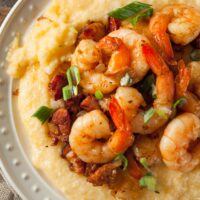
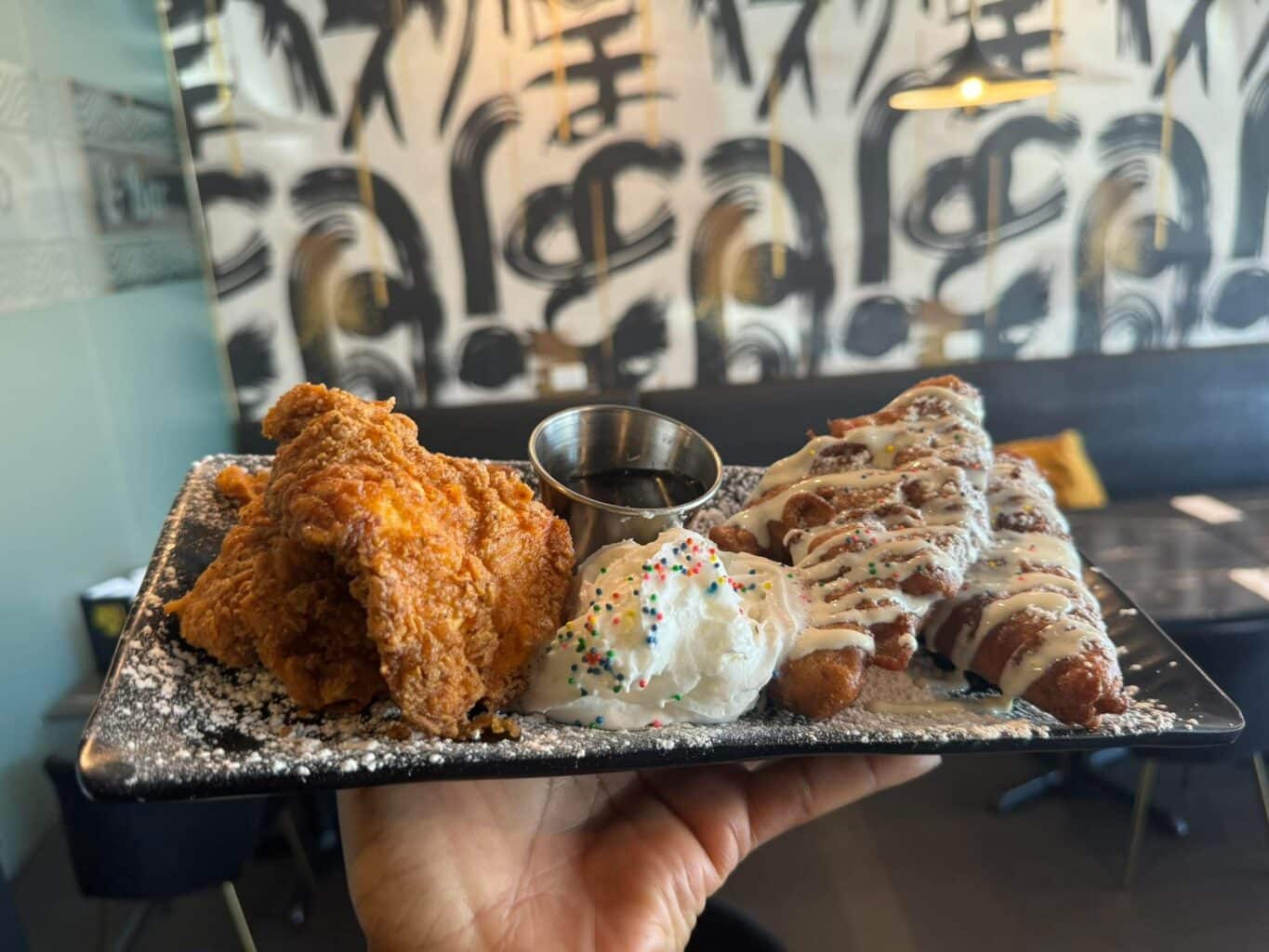
Rollins, popularly referred to by guests and staff as Chef Chesa, leads the kitchen at her full-service bistro. Cocktails and wine from the full-service bar pair perfectly with the gluten free menu featuring NOLA favorites like CheSa’s seafood gumbo, fried catfish & jambalaya, fried chicken & beignet waffles and their signature purple grits (made with red, blue and purple corn instead of the traditional white and yellow corn).
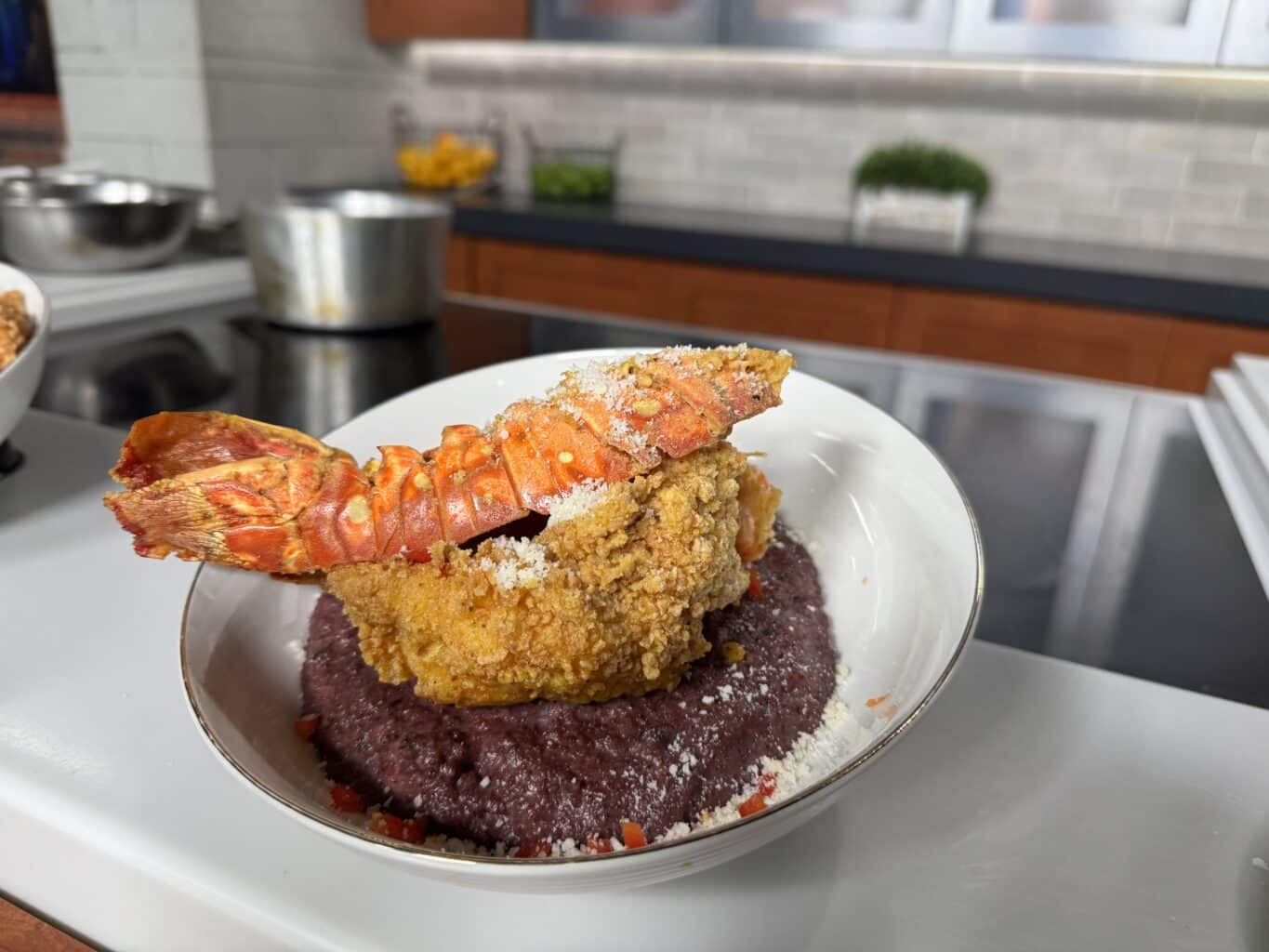
“We use non-GMO food. We buy our seafood fresh every single day and everything is made from scratch—with the exception of our pasta dishes, because we don’t make any of our pasta in-house, but it is imported from Italy,” lists Rollins about her establishment’s attention to quality. “I take a lot of pride in the food that I’m providing to customers because this is something that I serve at home. So I’m serving what I would serve to my family to my guests.”
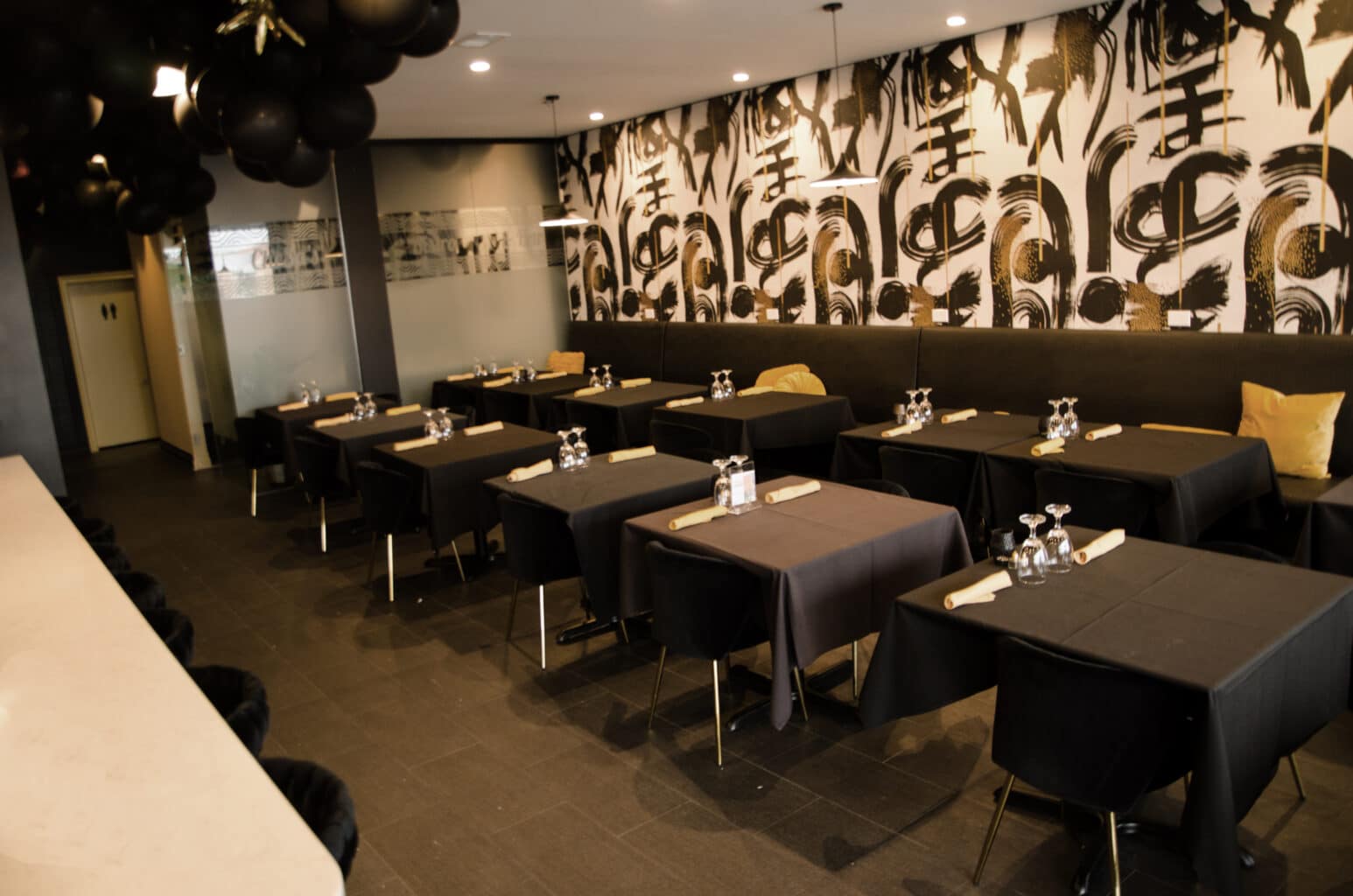
Open seven days a week, CheSa’s Bistro & Bar begins dinner service daily at 5:00 PM until 9:00 PM with brunch service on the weekend (11 AM to 3:00 PM). The 1800-square feet casual dining restaurant seats up to 70 customers and features live musical performances on select occasions.
As for what happened to the original food truck that inspired her original business idea? Rollins now owns two food trucks dedicated to serving up her gluten free offerings at catered events. Rollins reveals, “I don’t do every day vending. I’ve kind of gotten out of that field. So the trucks roll out for special events.”
RELATED: D’Andre Carter Takes BBQ in Chicago to a Whole New Level with Soul & Smoke
Coming For the Flavor and Taste
“People come here for gluten free food…because that’s a crowd that has dining sensitivity so they don’t normally dine out,” observes Rollins about the important role her gluten free restaurant plays within the Windy City’s dining community, specifically for those with dietary restrictions.
“But the other half of that are the people who know we serve really good food. They come here for that experience but they’re like, ‘Oh, we’ve been coming here for two, three years and didn’t even know it was a gluten free restaurant!’ And I have gluten free signage everywhere including the menu,” laughs Rollins.
Which only goes to show that adapting to meet dietary needs doesn’t mean sacrificing authenticity or flavor.