|
Getting your Trinity Audio player ready...
|
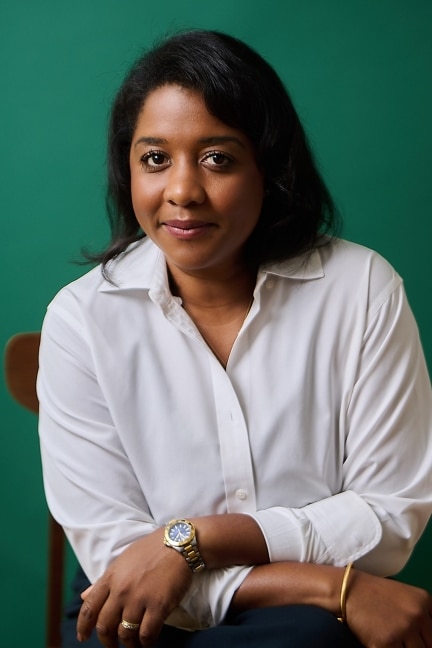
What lengths would you go to to mend a broken heart? For food lovers, some may engage in marathon cooking sessions. Others might eat their feelings. But for cookbook author and journalist Brigid Washington, enrolling to Hyde Park, New York’s Culinary Institute of America (CIA)—the top culinary school in the country—proved to be just what her heart, and her career, needed.
After breaking up with a man she considered her soulmate and finding her journalism career stalled working for a staid construction journal, Washington course corrected. With a natural love for food and cooking, she took a chance and secured a position as a station cook at an upscale restaurant. Encouraged by the restaurant’s owner to sharpen her kitchen skill set, Washington took the leap and became a culinary student at the prestigious culianry school at the the age of 26.
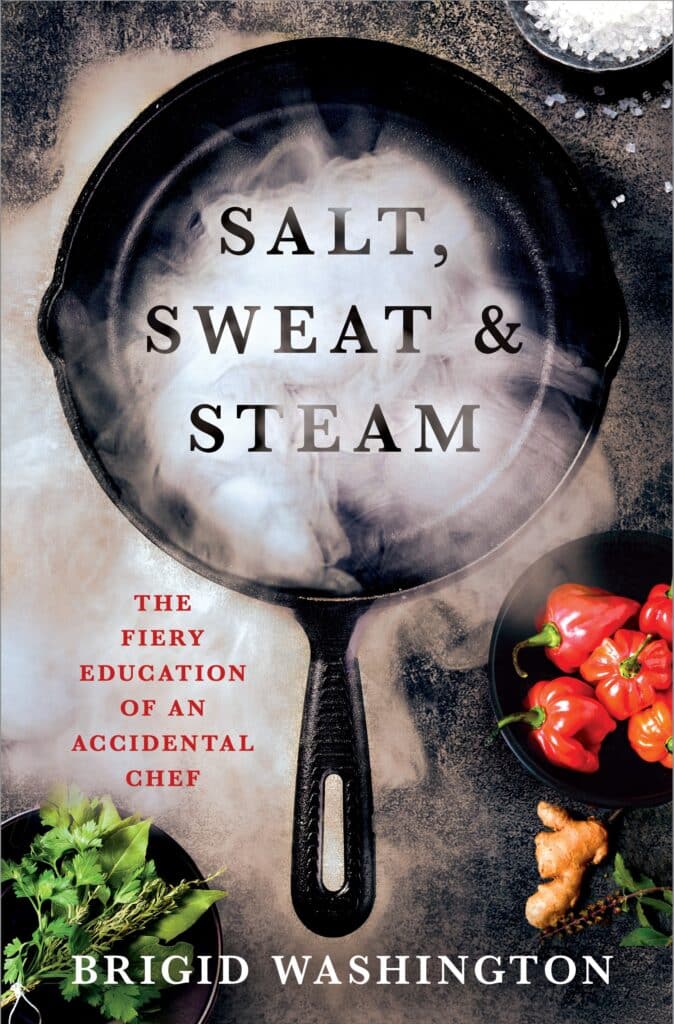
Her memoir “Salt, Sweat & Steam” has been described as “The Devil Wears Prada for the Yes, Chef! generation.”
“There’s a lot of it that echoes of that, but I think there’s a lot more in it,” notes the author about her true story’s comparison to the pop culture touchstones.
Cooking Her Way Out of Heartbreak
From breaking the news to her Trinidadian parents about her plans to attend culinary school to mapping out in detail the CIA’s grueling curriculum, this seasoned food journalist delivers a delicious read that has also been described as “an immigrant love story.”
“There’s a book, ‘They Called Us Exceptional’ by Prachi Gupta, and it talks about the idea of the model minority and how immigrants need to have to be very successful on paper,” muses Washington about the concept of defining success as a big job with a big title. “And my family in Trinidad wanted parts of that for me…But I always did things a little differently.”
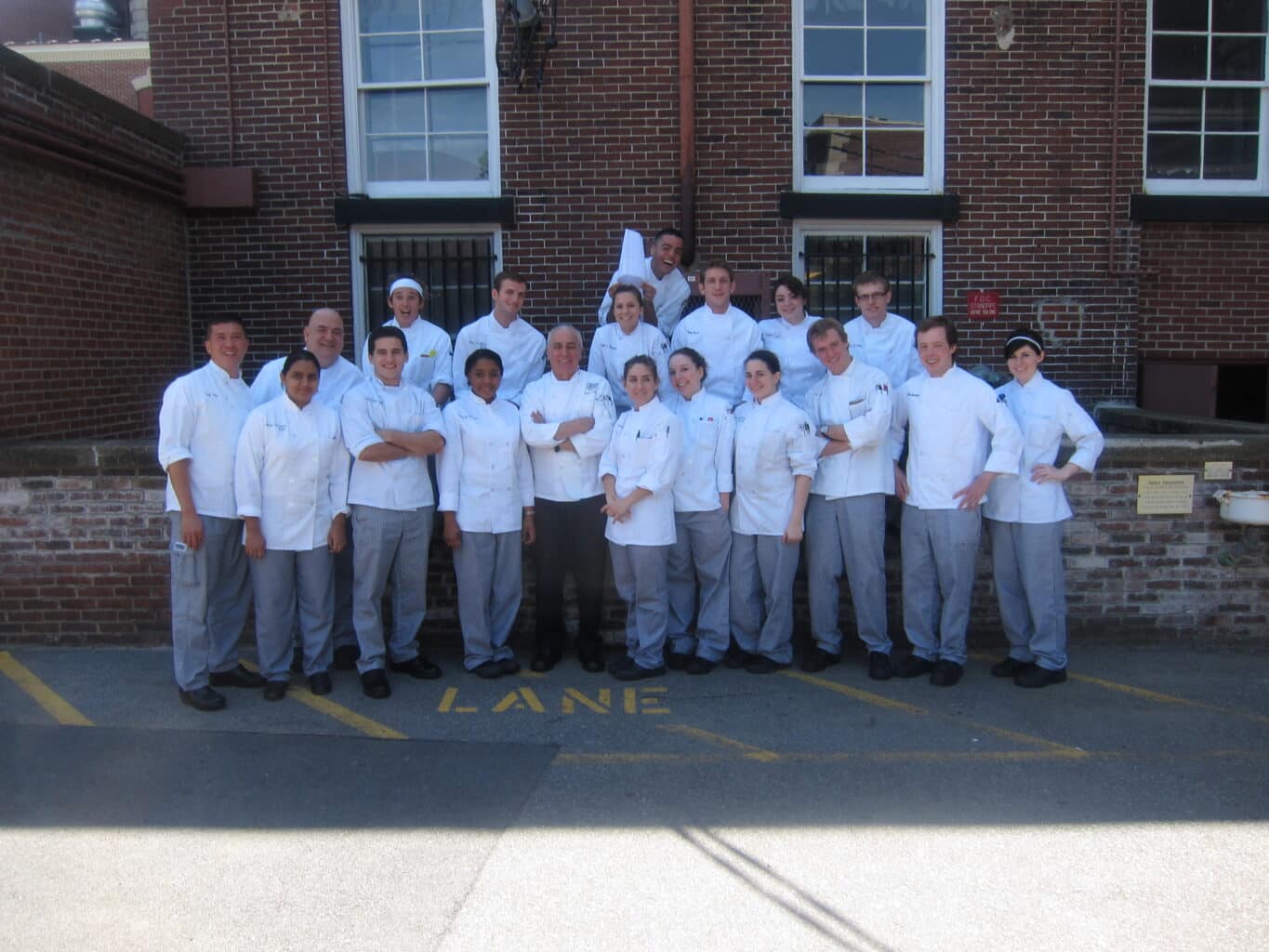
While Washington’s parents were truly skeptical at the idea of going to school to “learn cookery,” she nevertheless forged ahead and signed on for the rigors of culinary school bootcamp, even becoming editor-in-chief of the CIA’s school newspaper, La Papillote.
Washington effortlessly weaves mouthwatering descriptions of dishes and drinks enjoyed throughout the story (like ponche-a-crème, eggnog’s tropical sister) with foodie facts (never cook a truffle lest it loses its umami flavor, chicken stock should always simmer at a “lazy bubble”).
But it’s her detailed account of the CIA’s curriculum that gives readers insight into the world of a top-tier culinary school. Late nights at the dorm flavored with fierce competition and seasoned with demanding practical exams that challenged physically and mentally immerse readers into the world of professional chefs in the making.
“After people read this book, I want them to feel like they ate a really great meal and that they learned a lot about the topic.”
RELATED: The Essence of Trinidadian Food Culture: A Fusion of History, Flavor and Tradition
The Emotional Reality of Culinary School
In the book, Washington reflects on her time at the CIA as a period of isolation and highlights the challenges of being one of the few Black female students on campus. She explains, “There was a lot of times in the program where I felt lonely. I think that was something that I had to contend with, but it’s also important that I experienced that loneliness.”
The Trinidadian credits her success at the Culinary Institute of America to perseverance and commitment. “I don’t think I was the best student, honestly. I was messy. I was not the best cook. I was not the most organized,” she recalls. “But I think if there’s any success that could be measured, it comes from I genuinely don’t like to stop something midway.”
For students interested in following the path of attending culinary school, Washington has this advice. “You have to know yourself really well, and that’s true for starting any endeavor. It’s really important to be able to understand yourself within whatever context you’re in. If I had gone to the CIA when I was 18, it would’ve been a completely different experience,” she shares about her time at the renowned, private college.
Brigid Washington on Redefining Success
Likewise, remaining humble and teachable is key to navigating a demanding experience like that found at the CIA says Washington. “The biggest thing to keep in mind is to be teachable,” shares the author.
“And it doesn’t matter if it’s a sixth grade project or culinary school, there has to be this overwhelming attitude to be teachable. To understand, ‘I don’t know this [topic] and this person is trying to help me. I may not like the delivery, I may not like the person himself or herself, I may not like this class, but at the end of the day, he or she is trying to get whatever information into my head and I need to respect that.’”
After graduating from the CIA in 2012, rather than working in the professional kitchen, Washington leaned into her college degree (psychology with a journalism minor) from North Carolina State University. She built a successful career writing about food and culture for outlets including Bon Appetit, The New York Times, Southern Living, Food & Wine (among others), authoring two cookbooks and now, releasing her memoir. With her memoir’s publication, which she began conceptualizing and writing in 2022, it seems this culinary pro and journalist has come full circle.
As for the meaning of the title, “Salt, Sweat & Steam,” Washington shares, “The salt is a nod to cooking. The steam is a double entendre in many ways. And as I wrote in the book’s ending, ‘I had tasted the saltiness of my own tears, steamed in anger of all of my choices and sweated through hundreds of hours of kitchen coursework.’ So the title is a play on the process and the ingredients and also my choices.”
With the memoir’s upcoming release on April 28, have Washington’s parents softened on the idea of their daughter attending culinary school to get over heartache? Washington says her parents still harbor reservations about her decision.
“It’s still very much mixed,” admits the writer who resides in Raleigh, North Carolina, with her husband and two children. “I wanted to be successful on my own terms. And for me, success is not having a pile of money and a job I hate. For me, success is picking up my children from school every day, volunteering in their classrooms, being able to make dinner for my family every night. That’s the kind of wealth that is most enriching for me.”