|
Getting your Trinity Audio player ready...
|
An inside look at the food culture of Trinidad and Tobago with culinary creatives sharing and preserving culture, techniques and traditions.
As a self-professed island girl, I love Caribbean cuisine just as much as the next person. Trinidadian food culture has been a long-time favorite of mine. My countless trips to New York City to see friends from college or weekend getaways to enjoy shows on Broadway were punctuated by visits to Brooklyn to get doubles or pelau.
Doubles are two fried flatbreads filled with curried chickpeas served with a pepper sauce, tamarind sauce or a spicy mango relish called kuchela. Pelau is a one-pot chicken dish with pigeon peas, coconut milk and brown sugar. Both are traditional dishes from Trinidad and Tobago, a duo-island nation located northeast of Venezuela and northwest of Guyana.
Caribbean cuisine tells a story of the recipes and traditions that have remained intact despite the interruption of colonization. Nneka Nurse, an entrepreneur in New York with Trinidadian roots, is the founder of Best Dressed Plate, the curator of the Caribbean Tradishon dinner series and a cultural tastemaker sharing some key names with those curious about the food culture in Trinidad and Tobago.

“Education and experiences are my approach. Through my dinner series Caribbean Tradishon and other initiatives, I create opportunities for people to learn about our food practices and their origins, then experience them firsthand. That’s why I focus on storytelling, festivals, and my Caribbean Tradishon dinner series so people can taste, learn, and appreciate our food in its entirety.”
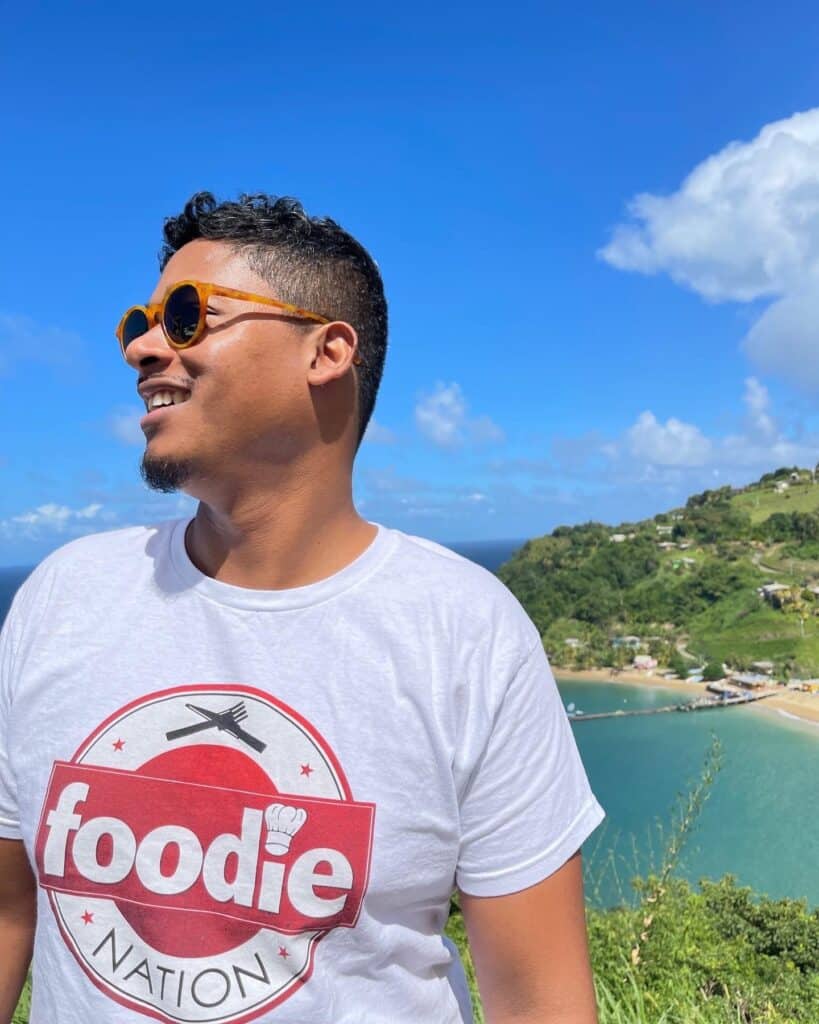
To get a closer look at Trinidadian cuisine directly from the islands, we’re also talking with chef Simmone Edwin, owner and founder of Meraki Catering and Shaun Alexander, co-founder of Foodie Nation.
Edwin, a chef, culinary director and professor, earned her associate degree in culinary management from Trinidad and Tobago Hospitality and Tourism Institute in 2008. In 2009, she relocated to Miami, Florida, and earned a Bachelor of Science in Food Service Management and International Hotel Operations from Johnson and Wales University and has since moved back to the country.
Alexander co-founded Foodie Nation with Rhett McCarthy in 2016. Foodie Nation is a culinary hub of cultural stories, spotlighting the best Trinidad and Tobago have to offer. Alexander and McCarthy have built an impressive platform with a global reach educating gourmands about authentic culinary traditions of Trinidad and Tobago.
A Reflection of History and Identity in Trinidad and Tobago’s Food Culture
Alexander’s engaging videos produced with McCarthy are a testament to their love and dedication to sharing their rich Trinbagonian culture, a term that refers to a person or something related to the island nation of Trinidad and Tobago. “Trinbagonian food culture is more than just the dishes we eat—it’s a reflection of our history, our people, and the way we connect as a society,” he says.
“It tells the story of resilience, migration, and adaptation, blending African, Indian, Chinese, European, and Indigenous influences into a cuisine that is bold, vibrant, and unique. Food in Trinbago isn’t just nourishment; it’s community, celebration and tradition,” shares Alexander.
Chef Edwin shares what her culture means to her, saying, “Trinidadian food culture means respecting heritage, respecting customs and most importantly respecting the ingredients. It’s about understanding the goldmine of flavor that has been passed on from generation to generation through the ingredients that are synonymous to us.”
Dispelling Misconceptions About Trinidadian and Tobagonian Cuisine
As Edwin and Alexander share their love for Trinidadian food culture with others, they have also encountered a few misconceptions. “One of the biggest misconceptions is that Trinbagonian food is just “spicy” or that it’s limited to roti and doubles. While those are iconic, our cuisine is incredibly diverse—balancing sweet, sour, spicy, and savory flavors,” shares Alexander.
Their culinary identity is distinct due to multicultural influences. “The main misconception that I always encounter about the food culture in Trinidad would definitely revolve around doubles being one of the only things we eat. While doubles are by far our most popular street food and an important staple in our culture. However the majority of Trinis don’t eat doubles every day,” adds Chef Edwin.
Preserving and Promoting Trinidad and Tobago’s Rich Culinary Heritage
Alexander and Edwin’s commitment to preserving and promoting Trinbagonian food culture is evident in the work they have accomplished in their respective careers.
“Through Foodie Nation, we document, share, and celebrate Trinbagonian food in an engaging and accessible way. Additionally, we support local food businesses, giving them a voice and helping them reach new customers,” shares Alexander.
Alexander and McCarthy showcase traditional cooking methods and highlight street food vendors from Trinbagonian food culture. Alexander notes, “Sharing recipes passed down through generations, our platform ensures that these culinary traditions are not only preserved but also introduced to a global audience.”
Chef Edwin chimes in, saying, “I am always trying to find out why we do things the way we do and learn from the old school and how they learned from our predecessors, and then try to make it relevant to the present day. It comes from embracing my rich food heritage, and then wanting to naturally share it with everyone that I encounter.”
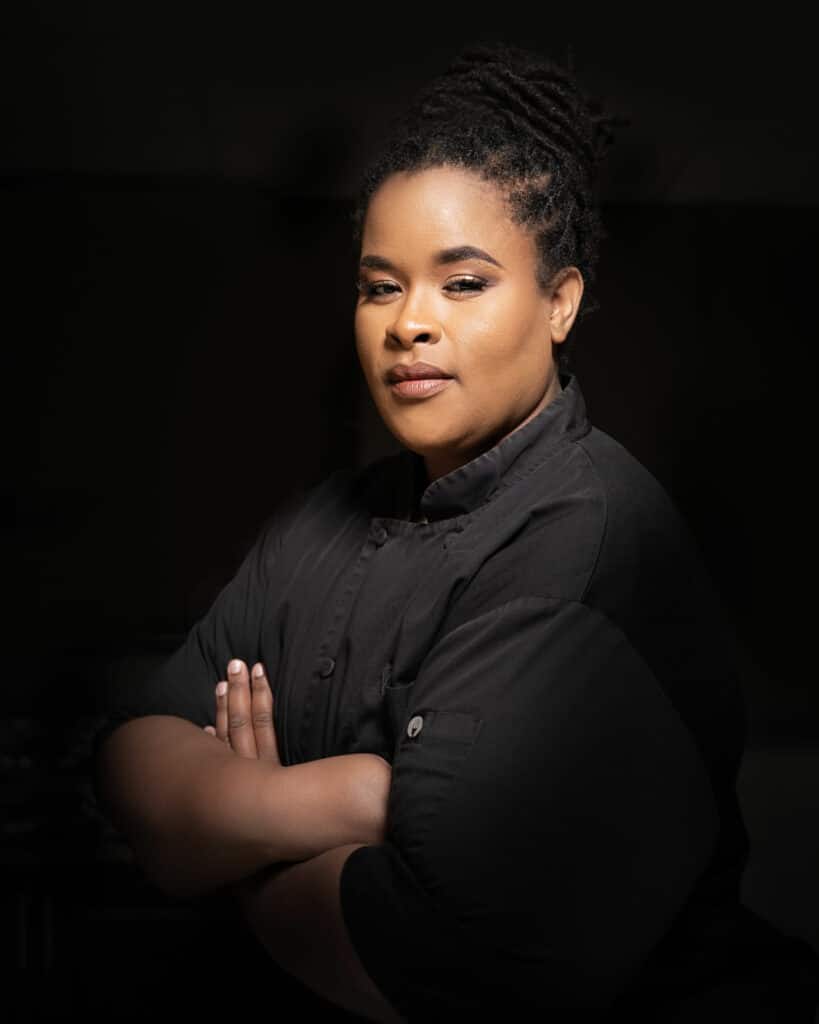
He continues, “Whether it be someone I meet abroad at a competition or an event, or if it’s my fellow countryman who may not have been exposed to certain foods or cooking techniques, I make it my business to always utilize the flavors that are most common to the Trinibagonian palate but fuse them in unorthodox ways.”
Guidance for Curious Gourmands to Trinidadian Food
For curious foodies who have yet to experience Trinidadian food culture, Alexander and Chef Edwin share their advice for those interested in Trinidadian cuisine. “Start with an open mind and a curious palate. Trinbagonian food is a sensory experience—rich in flavor, culture, and history.
“If you’re new to it, begin with familiar flavors like curry dishes, stewed meats, or coconut-based sweets. Social media is also a great way to explore—it’s why we create engaging content that introduces people to our cuisine in a fun and approachable way. Storytelling is key. Once people understand the culture behind the food, they’re more inclined to try it,” shares Alexander.
Chef Edwin, who shares her work on social media platforms like Instagram, on the other hand states, “The number one piece of advice for foodies would be to hit the grassroots cooks and chefs that may not be as popular on social media, because it’s a whole different flavor experience that you can’t put a price on.”
She continues, “I’d recommend going to the countryside and eating from someone’s grandmother or grandfather who cooks you a meal with ingredients they planted themselves. Eat from those who are simply in love with the ingredients they are using and who have nothing to prove to you except that good food has the power to transport you to a different time and place a forkful at a time.”
Key Ingredients and Cooking Techniques in Trinidadian Food Culture
Alexander and Chef Edwin explain what defines Trinidadian food culture and highlight some key ingredients and spices that are foundational to it.
“Trinbagonian food culture is defined by fusion and flavor. Our cuisine is deeply influenced by our history, with elements of Indian, African, Chinese, and European culinary traditions blending seamlessly. Key ingredients include green seasoning, a blend of fresh herbs like chadon beni, thyme, garlic, and peppers. Pimento peppers, which add flavor without too much heat. Chadon beni is a signature herb that adds depth to many dishes,” shares Alexander.
“The ‘holy grail’ of ingredients when it comes to that authentic Trini flavor are onions, garlic, pimento peppers, ginger, chadon beni, chive and thyme (fine thyme and Spanish or broad leaf thyme). These ingredients when combined are used in a plethora of cuisines especially when it is related to the seasoning of meats,” says Chef Edwin.
Food as a Cultural Connector
Both culinary ambassadors elaborate on common Trinidadian food culture traditions and beliefs that influence the preparation and enjoyment of its cuisine, with Chef Edwin sharing, “The cultural traditions, beliefs and practices of our cuisines are influenced predominantly through the celebration of our festivals and holidays because of our melting pot of cultures that reside in Trinidad and Tobago.”

From Holy Week for Catholics to the Divali festival celebrated in the Hindu faith and making pastelle (a cornmeal-based pastry) during the Christmas season to eating black-eyed peas for prosperity on New Year’s Day all signal the deep connection between food and community in Trinidad and Tobago.
“The traditions of our people are heavily dictated in ritual and belief systems that are driven by faith, sometimes superstition and the culture handed down by their ancestors over time,” says Chef Edwin.
According to Alexander, “Food is central to every celebration and gathering in Trinbago. Whether it’s a Sunday lunch with family, a curry lime, or Divali and Christmas feasts, food brings people together. Many of our cooking methods are communal, like pelau cooked over an open fire at the beach or doubles vendors making bara fresh in front of customers. Our respect for elders and tradition also plays a role—recipes are often passed down through generations, with each family adding their own twist.”
RELATED: For the Love of Oxtails: African American and Caribbean Communities’ Ode to an Ancestral Legacy
Celebrating Trinidad and Tobago’s Cuisine on the Global Stage
Some traditional Trinidadian cooking techniques that are essential for preserving the authentic flavors and textures of the cuisine include browning sugar for stews and green seasoning as well as open-fire cooking.
“The open-fire cooking is used for making wild meat dishes and traditional outdoor cooking experiences. Also, the communal aspect of cooking is [important]. Whether it’s family gatherings, limes, or religious celebrations, food preparation is often a shared experience that strengthens bonds,” says Alexander, who often demonstrates open-fire cooking on Foodie Nation’s YouTube channel.

For Chef Edwin, the techniques she uses are essential to the essence of Trinidadian food culture. “Cooking techniques that are vital to the survival of creating authentic Trinbago cuisine are chunkay, which is done when cooking curry dishes where the garlic is burned in oil to release a robust flavor that is then absorbed by the curry powder when added. The curry is then ‘burned’ or cooked off in that oil and garlic mixture before the other aromatics and ingredients are added. This is basically to create an unmatched flavor that gives Trini curry the flavor that people know.”
Their careers in food and the media space offer engaging ways to celebrate the rich history and diversity of Trinidadian food culture in their community. “Through storytelling and education, Foodie Nation is more than just a food page—it’s a cultural archive. We share the origins of dishes, highlight the people keeping these traditions alive, and create content that makes Trinbagonian food accessible to both locals and non-Trinbagonians. We also collaborate with international creators and chefs to introduce our cuisine to new audiences,” shares Alexander.

Using international cooking techniques that are fused with Trinidadian ingredients, Chef Edwin says, “This is a great way to bring familiar, Caribbean flavors to the masses. It challenges the status quo with the internationally recognizable techniques, in an attempt to make Trini food a part of the global food conversation when our ingredients are merged with those techniques. The onus is on the chef to create a bit of nostalgia, a bit of familiarity and even a bit of individuality with each dish, while still maintaining the history behind the food.”
The culinary professional is a bit more candid and says food should never be exclusive or polarizing. “But instead it should be a connector of various cultures, traditions, and also used in an atmosphere to share cultures across borders and across time.”
Honoring and preserving their roots, Alexander and Chef Edwin have spent many years celebrating Trinidad and Tobago’s cuisine on the global stage and their hard work has paid off due to the communities they have built.