|
Getting your Trinity Audio player ready...
|
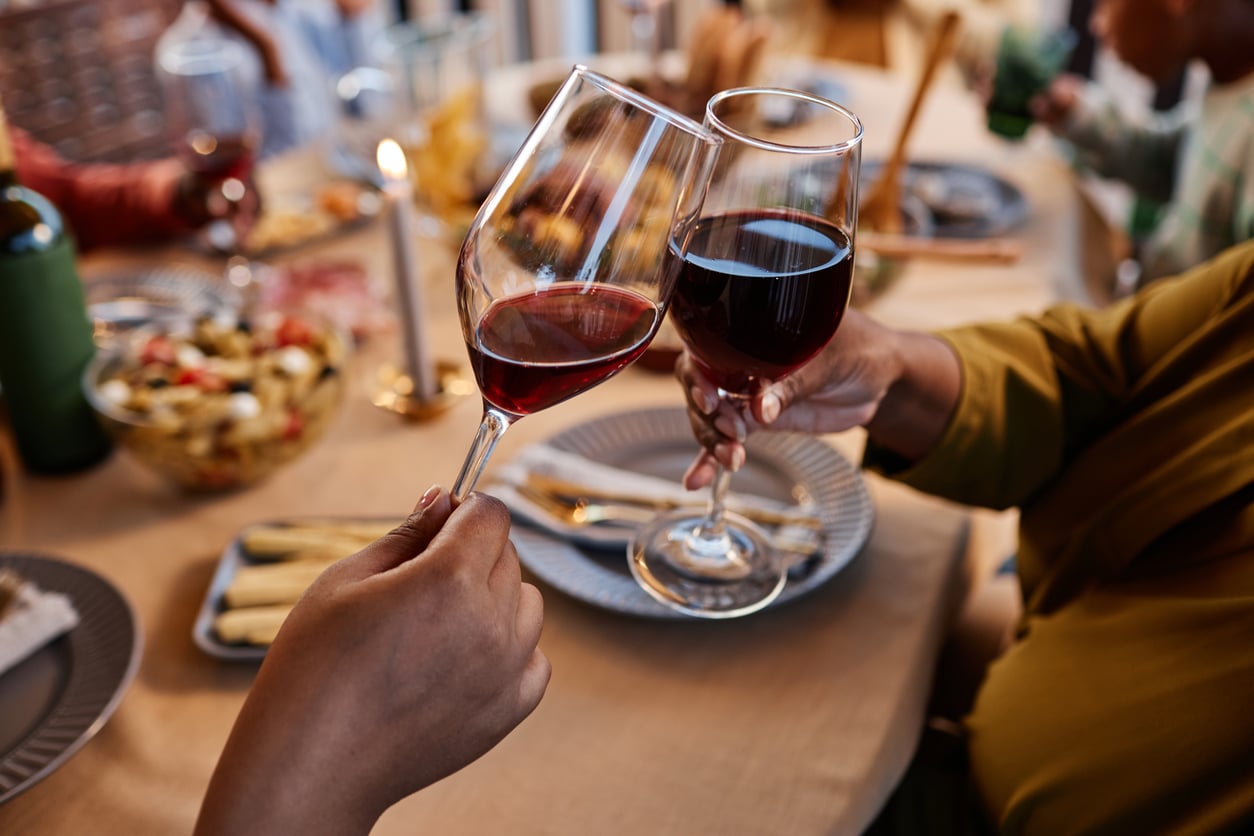
A good bottle of wine can bring much joy to a dinner table, a celebration, or a quiet evening at home. However, even great wine can lose its appeal if you haven’t stored it properly. Many focus on the label, vintage, or pairing, but proper wine storage is just as important once the bottle is at home.
Wine is sensitive, and it responds to its environment every day it sits on your shelf, rack, or counter. Temperature, light, humidity, and movement all shape how well a bottle holds up over time. The good news is that proper wine storage doesn’t have to feel complicated.
With a few practical habits, you can protect the bottles you love and enjoy them at their best. Use this guide to help with proper wine storage and temperature.
Why Proper Wine Storage Matters
Wine continues to change in the bottle, and that change can be positive or negative depending on the conditions around it. When you store wine well, you help preserve its aroma, flavor, balance, and structure. When you store it poorly, you risk dulling those qualities before you ever pull the cork.
Some bottles are made for long aging, while others are meant to be opened within a year or two. In both cases, storage still plays an important role. A fresh white can taste flat after too much heat exposure, and a red meant for aging can lose complexity if it spends years in unstable conditions.
The Role of Temperature
Temperature has the biggest influence on wine storage. Wine does best in a cool, consistent environment. In general, most wines store well around 55 degrees Fahrenheit. That number is not a strict rule for every bottle, but it gives you a reliable target for long-term proper wine storage.
More important than the exact number is consistency. Quick swings between warm and cool temperatures can stress the wine and affect how it ages. A bottle stored in a room that gets hot in the afternoon and chilly at night faces a tougher path than one kept at a steady, moderate temperature.
Heat is one of the most common things that will ruin wine, and that is why warm kitchens, garages, and sunny windows often create problems. High temperatures can push wine to age too quickly, flatten delicate flavors, and even force liquid past the cork. Once that damage happens, no amount of chilling can bring the bottle back.
Cold temperatures can cause trouble, too. Extreme cold can dry out a cork or, in freezing conditions, expand the liquid enough to push the cork outward. Most homes do not reach that level indoors, but it is still wise to avoid storing wine in places that get excessively cold.
Ideal Serving and Storage Are Different
A lot of people confuse serving temperature with storage temperature, but the two are not the same. Wine often stores best at around 55 degrees, but you may want to serve it a bit warmer or cooler, depending on the style.
Red wines usually show best slightly below room temperature, often in the low to mid-60s. White wines and sparkling wines usually taste better chilled, though not ice-cold. When wine gets too cold, aromas can hide, and flavors can seem muted. When wine gets too warm, alcohol can dominate the glass and throw off the balance.
If you store bottles at cellar temperature, you can make small adjustments before serving. A red may need a short rest on the counter, and a white may need a little time in the refrigerator. That simple step can make a noticeable difference.
Light and Its Effect on Wine
Light can damage wine over time, especially when exposed to direct sunlight. Ultraviolet rays can break down delicate compounds in the bottle and accelerate unwanted aging. That is one reason many wines are stored in dark glass. The bottle offers some protection, but not enough to make brightly lit storage areas safe for long periods.
A kitchen counter near a window may look charming, but it doesn’t offer good protection. Even artificial light can affect wine if exposure is constant and prolonged, though sunlight poses the bigger risk.
A dark closet, cellar, or wine fridge provides a better setting. If you want to display wine in your home, try to keep the display area away from bright windows and strong heat sources.
Humidity and Cork Health
Humidity also plays a role, especially for bottles with natural corks. If the air is too dry, the cork can lose moisture and shrink. That can allow more air into the bottle, which can speed oxidation and reduce quality. If the air is too damp, labels can peel, or mildew can develop on the outside, though the wine itself may remain fine.
A moderate humidity level works best for long-term proper wine storage. Many wine cellars aim for around 60 to 70 percent humidity. Most casual wine drinkers don’t need to monitor humidity with great precision, but it helps to know that overly dry conditions can create issues over time.
Bottle Position and Movement
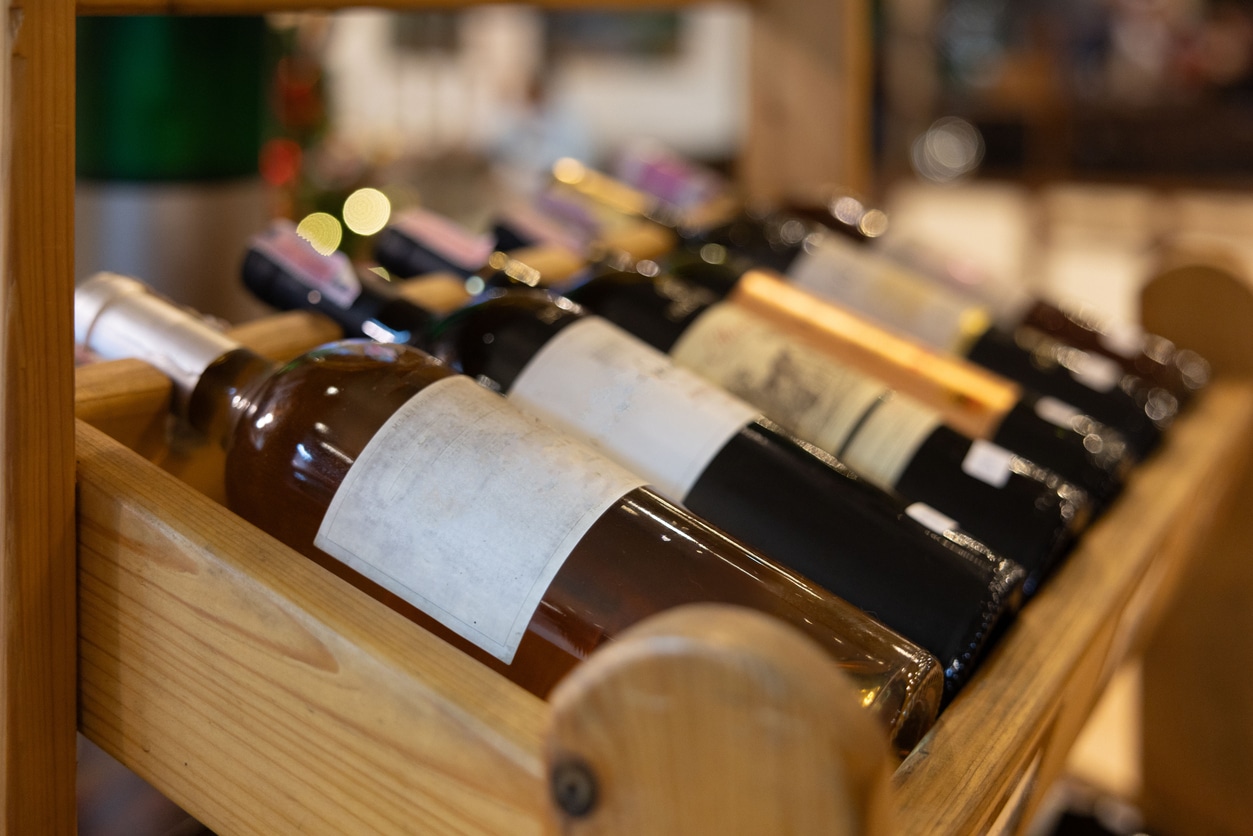
People often hear that wine bottles should rest on their sides, and that advice still applies to many cork-finished bottles. Storing a bottle on its side helps keep the cork in contact with the wine, which can help prevent it from drying out. Bottles with screw caps do not require the same positioning, but horizontal storage can still save space and keep a collection organized.
Movement matters too. Wine does best when it rests quietly. Constant vibration can disturb sediment in aging wines and may interfere with the gradual development in the bottle. For that reason, try not to store wine on top of a refrigerator or in another place that shakes often.
RELATED: Impress Your Friends With These Wine Facts and Tips
Best Places To Store Wine at Home
The best storage spot in your home depends on how many bottles you keep and how long you plan to hold them. If you buy wine for near-term enjoyment, you may not need a full cellar or a large wine fridge. A cool interior closet or cabinet away from sunlight and appliances can work well for short-term storage.
If you collect wine or like to age bottles for months or years, a wine fridge can make a major difference. These units help maintain a stable temperature and protect bottles from heat and light. They also make storage much easier in homes without basements or naturally cool spaces.
A basement can work well if it stays cool, dark, and steady throughout the year. Not every basement offers those conditions, though, so it helps to pay attention to seasonal changes. Attics, garages, laundry rooms, and spots near ovens usually make poor storage locations because temperatures rise and fall too often.
Common Storage Mistakes
A few common habits can shorten a wine’s life without people realizing it. Leaving bottles in a hot car for hours can do quick damage. Storing wine above the refrigerator may expose it to both heat and vibration. Keeping special bottles in a bright dining room for decoration can slowly reduce their quality over time.
Another mistake involves treating wine like a pantry item with no environmental needs. Wine may seem stable because it sits unopened, but it remains sensitive inside the bottle. Small choices add up, and they affect what you taste when the bottle finally reaches the table.
The good news is that you don’t need perfect conditions to do a much better job. A cooler closet, a more thoughtful serving temperature, and less exposure to light can all improve your results.
Final Wine Storage Thoughts
Wine rewards patience, but it also rewards care. Proper wine storage and temperature help protect flavor, aroma, and character from the moment you bring a bottle home to the moment you open it. Temperature matters most, yet light, humidity, bottle position, and movement all play a part.
When you give wine a stable and thoughtful environment, you give yourself a better drinking experience, too. Whether you keep a few everyday bottles on hand or build a small collection for special occasions, smart storage habits can help every bottle show its best side.