|
Getting your Trinity Audio player ready...
|
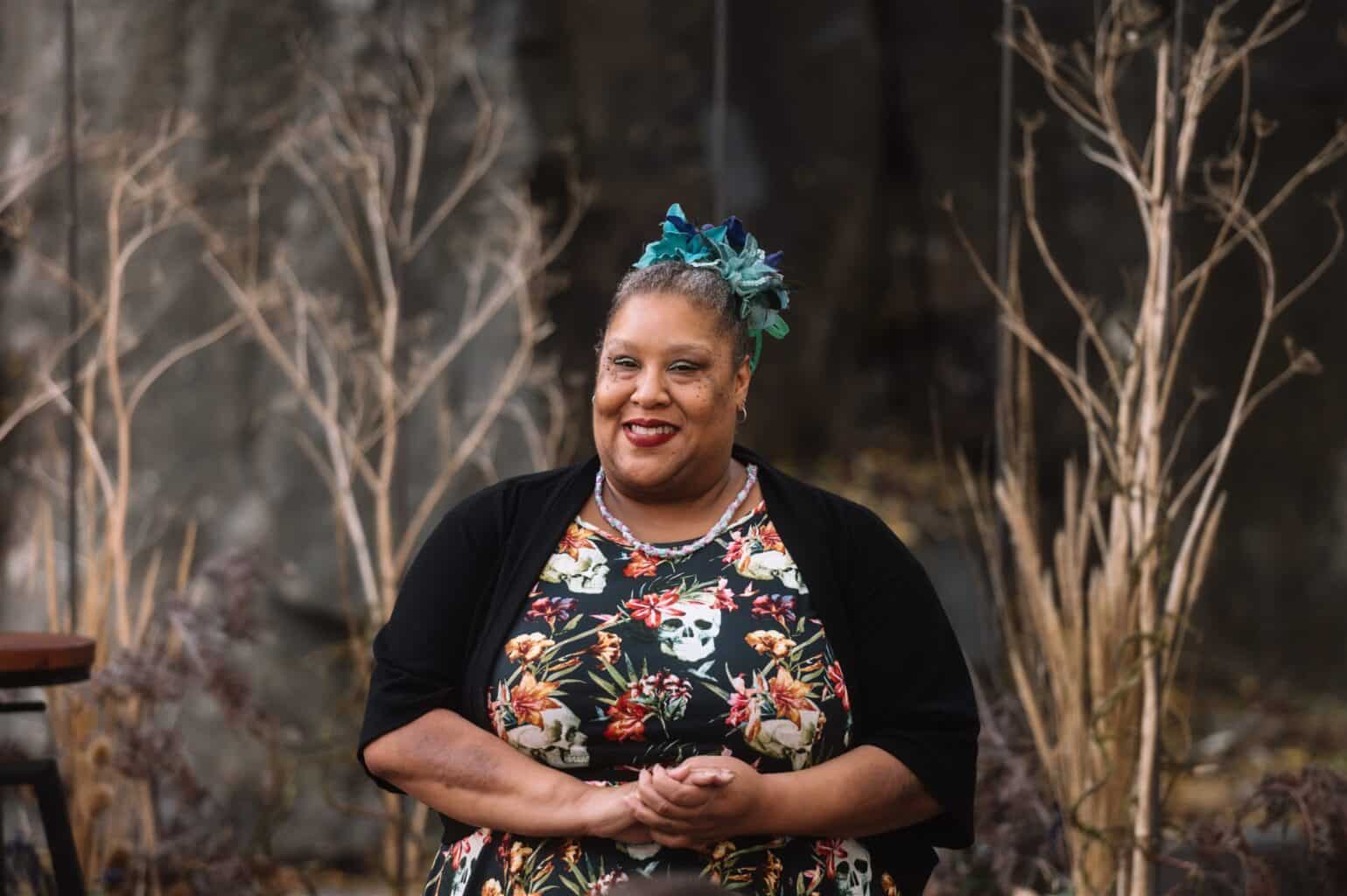
In Hobart, Tasmania — an island south of mainland Australia — Toni Burnett-Rands prepares Juneteenth in the middle of winter. Juneteenth, celebrated on June 19, marks the day enslaved people in Texas finally learned they were free. Juneteenth is usually associated with summer heat, barbecue smoke, and family gatherings across the American South.
But in Tasmania, Rands prepares for Juneteenth celebration in the cold of winter. In 2014, the American turned Tasmanian introduced the country to the Juneteenth holiday with her southern food traditions at her first annual Hobart Dark Mofo Festival. “The mid-winter festival celebrates art, and culture during the Southern Hemisphere winter solstice,” she shares during our interview.
Smoke rises into the Tasmanian sky as she prepares the foods that connect her to family, food memories, and the Black Southern traditions rooted in Hondo, Texas, where her grandmother Ivy once gathered family for Emancipation Day celebrations.
Rands says, “Smoked meat must be present at a Juneteenth meal. There ain’t nothing better than smoky barbecue in the winter cold.” Her smoker is flavored from the fruit tree branches — plum, peach, cherry and apple — saved from her backyard. The wood crackles inside the smoker while homemade barbecue sauce simmers and the side dishes are being prepared.
Since first serving Juneteenth meals at the festival 12 years ago, Rands has built a loyal following for her southern barbecue, desserts and Creole cooking — bringing Southern Black American food traditions to one of the southernmost parts of the world.
Building Sweet Connections
Since arriving in Tasmania in 2008, Rands has slowly introduced Black southern and Creole food traditions into a community largely unfamiliar with them. “What was the starting point when you made the decision to start selling food?” I ask her.
“Surprisingly, it started with three of the worst meals I ever ate in Tasmania — and one of them was Creole prawns,” Rands says laughing. “I was so upset, I went into the kitchen and confronted the chef,” she remembers about the turning point.
In 2010, the Texas-raised chef started selling homemade desserts in the Snug Beach Market in their community hall. The market offered local produce, local goods, and a place for people to shop and connect with the community. As her customer base grew, desserts alone were no longer enough. Rands began looking for ways to offer savory meals at markets where lunch options were limited.

“I bought a $15 table rental at a country market, and I sold American baked goods. The market was a great introduction to the local community and other vendors, especially the farmers. Having access to fresh fruit was a winning ingredient. Tasmanians love their sweets, especially any type of pudding custard type dessert. People started looking forward to my dessert and soon developed their favorites like my fresh fruit “pies.” She adds, “I literally went to Aussie Target and bought myself two temperature-control electric skillets so that I could go to a market that did not have anybody selling lunches.”
Desserts may have drawn people to her table, but Rands says they were never the real goal. “The cakes and things were great, but they were not the mission. They were the price of the ticket. You know what I mean? Because they got me out there and they got me in front of people. And when I bought those skillets, it changed the game.”
As Rands’ customer base expanded through markets, festivals and catering, she began to outgrow the commercial church kitchen she had been using. The growth forced her to plan about the future of the business.
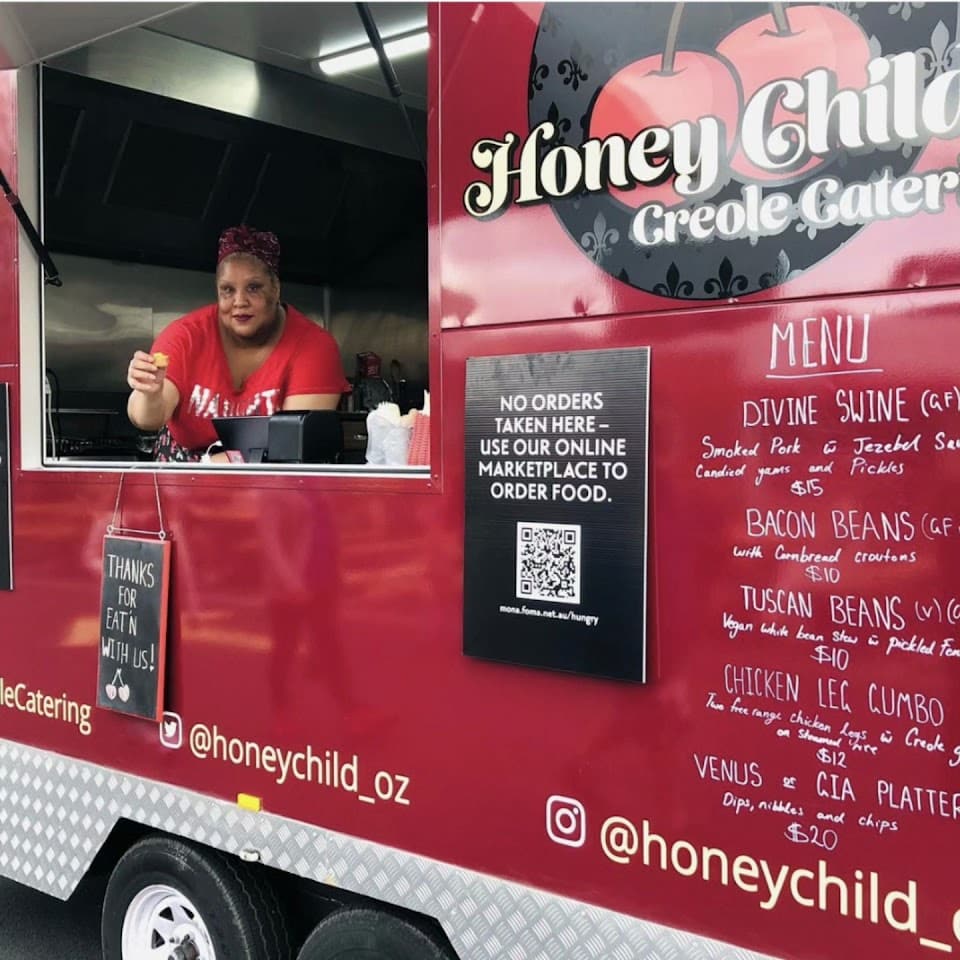
“I was outgrowing the commercial church kitchen. I had to decide — expand space at my house, get another commercial kitchen or get a food truck. In 2016, I had my food truck custom built for everything I needed and space enough for four people to work inside. In 2020, I started Driveway Diner,” says the chef known locally as Ms. Honey.
RELATED: The Difference Between Cajun and Creole Cooking
Becoming Ms. Honey in Tasmania
After being widowed, Rands never imagined her life would lead her to the other side of the world. Through mutual friends, she met the Australian man who would become her husband. What began with letters eventually turned into a long distance romance.
“Well, I was widowed suddenly, and when I came out of my grief, I met a group of Australians who worked with my now husband. As they were telling him about their trip and looking through pictures, he saw me. He wrote me a letter, and we just started writing to each other. When we finally met and fell in love, he had both of his parents alive, and my parents had passed away. Creole family dictates that you must be in service to your family, so it was obvious that I had to stay in Australia,” say the 18-year Tasmania resident.
The couple initially lived in Sydney, but Tasmania quickly captured her heart. “We came for Christmas to spend time with his parents. From the airport, I knew I could live here. Tasmania reminds me so much of Hawaii and Northern California. The topography, the mix of people and the way they live together — I knew I could live here.”
The market provided more than customers. It introduced Rands to local farmers, vendors and shopkeepers who helped her navigate Tasmania’s food landscape. Whenever she needed an ingredient from home, she asked questions and followed leads. The market’s rule was to sell 80% Tasmanian-grown produce.
It was the local librarian who introduced Rands to the Hmong Temple, which had a beautiful organic market. “They invited me to come and walk through their garden and see everything they had. I saw okra, turnip greens and the best mustard greens I’ve ever eaten in my life. They had hot peppers and my Mirlitons.”

Through local growers, neighborhood markets and small farming communities, Rands developed a deeper understanding of Tasmania’s food culture. Unlike the year-round abundance common in many parts of the United States, Tasmania’s food system is closely tied to the seasons. Farmers grow with intention, and customers learn to wait for what is available rather than expecting everything year-round.
“The growing atmosphere here is so different from the United States,” Rands says. “You can’t get a random tomato in the middle of winter.”
Over time, Rands’ cooking became more than a business. Through birthday cakes, celebrations and community gatherings, her food became woven into the rhythms of Tasmanian family life.
“So many people have eaten my grandma Wilma’s and grandma Ivy’s food, and I know that love of family through food comes from my hands to their plates,” Rands says.
Over the years, she has become part of family traditions across the community. She has baked birthday cakes for children she has watched grow into adulthood and prepared meals for local organizations for more than a decade.
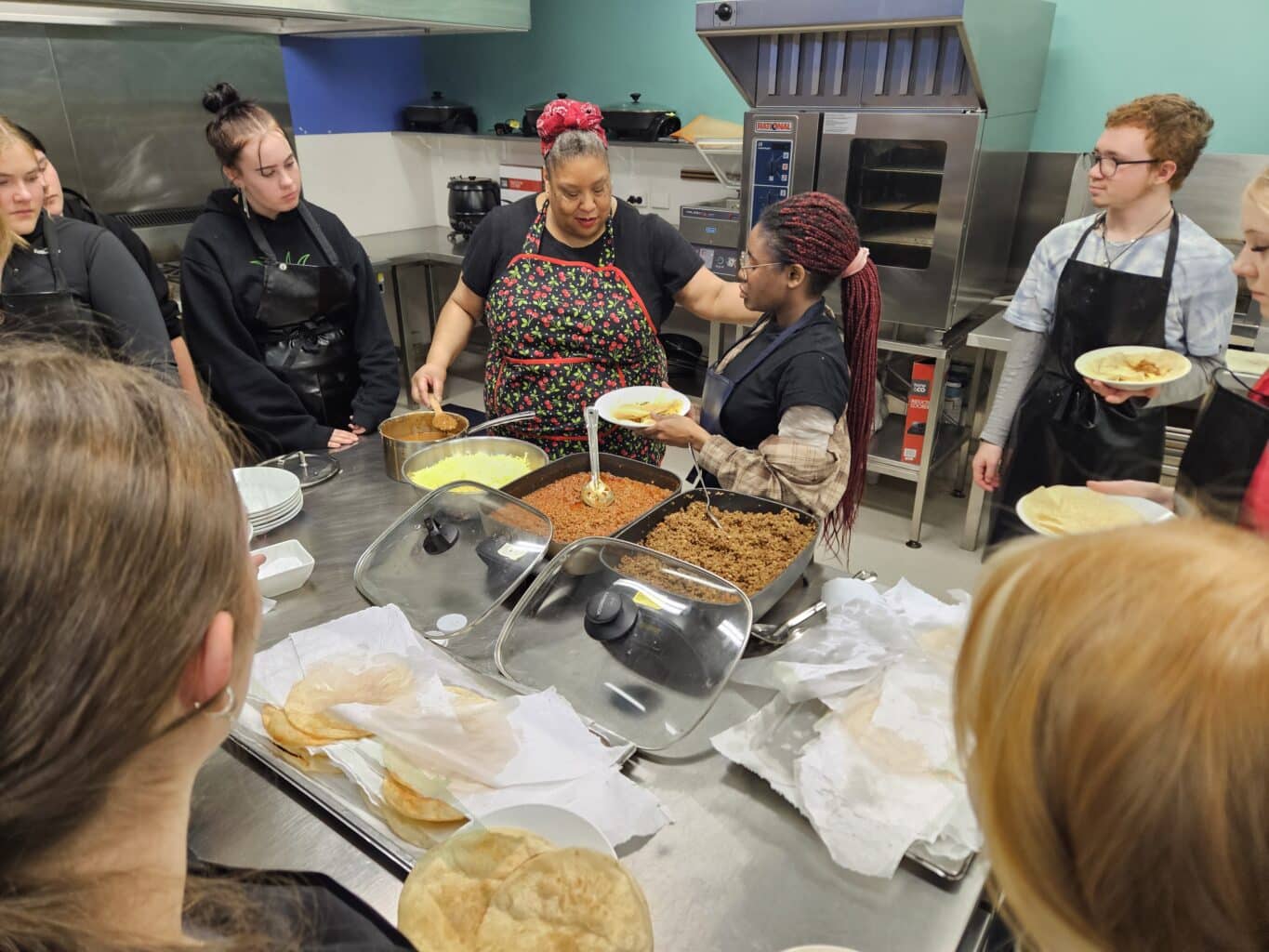
“When people have something good happen to them, I’m the first call they make to plan the celebration,” says the owner of Honey Child’s Creole. “And when I’ve had customers pass away, I’m often the first call the family makes.”
Three days a week, Rands becomes “Ms. Honey,” preparing lunches for a free school meal program. The students, affectionately known as her “schooligans,” are encouraged to eat as much as they want, and leftovers are rare.
Over time, Rands built more than a food business in Tasmania. Through meals, celebrations and everyday acts of care, she feeds people the same way she was raised: with love, consistency and intention.
A Juneteenth Celebration in Wintertime
It’s June and the cool coastal temperatures are around 54 °F in Tasmania. The autumn season ends with berry and stone fruits. The winter season brings apples, pears, quince and kiwi fruit. Rands works hard during the autumn. “I can totally retreat and recover in the winter,” she says. She may have an event or two, but most definitely a Juneteenth celebration.
Rands gets excited when asked about memories from her family’s Juneteenth celebrations. “I have a photo album of our celebrations at my grandma Ivy’s – family, friends, music and lots of food – smoked meats, side dishes and homemade desserts. When I thought about doing Juneteenth here, I pulled out that photo album and the memories of those meals came rushing back and that was my inspiration for the Juneteenth menu.” Memories of brisket, Kool-Aid, peach cobbler and crowded family tables shaped the menus she would later recreate in Tasmania.

Rands is firing up the food truck “Jezebel” in her driveway for this year’s Juneteenth celebration festivities. “I go to the butcher and see what he’s got, and I see how I can line it up. Sometimes I do a brisket with a Dr. Pepper onion reduction. Sometimes I do pork shoulder, rubbed in my signature Creole spice.”
Meat is smoked for 10-12 hours. It can be challenging to maintain the smoker in cold weather, but in the years of firing it up, Rands has handled it. She also makes sure her vegan clients enjoy the smoke flavor with miso caramel sweet potatoes.
“Everything is homemade. Baked beans are a staple of Tasmania, so when they tasted my ultimate baked beans, they loved them. And I tell you right now, if I put up a post tonight talking about Juneteenth orders, I guarantee I will be sold out in two days. Because if I commit to 100 servings, I already know how to sell 40 immediately.”
A Juneteenth celebration in Tasmania is a long way from Texas and the opposite of the summer traditions Rands remembers from childhood, but she loves how Australians have been able to learn about her food culture from her events. Over the years, she has built a home and community where food, family memories and Black Southern traditions continue to gather around her table — even in the middle of a Tasmanian winter.
Listen to Rands on 936 ABC Hobart Radio talk about heritage cooking in Tasmania.