|
Getting your Trinity Audio player ready...
|
You can use the same bowl, the same spoon, the same flour, and the same recipe card, and somehow the dough still feels different than it did last time. One day, it comes together without much thought. Another day, it clings to your fingers, cracks at the edges, or seems to ask for more patience than you planned to give it.
There are plenty of reasons homemade dough feels different every time. Most of them have nothing to do with doing the recipe wrong.
Dough responds to the room, the ingredients, and the hands working it. For many home cooks, especially those who learned how to make homemade dough by watching a parent or grandparent cook, dough has always been about more than written instructions. A biscuit dough, dumpling dough, bread dough, or cornmeal mixture may be described as soft, tacky, smooth, shaggy, or “just right.” The more you understand why dough changes, the easier it becomes to trust what you feel.
How Dough Changes After You Mix It
Dough may look simple in the bowl, but it does not stay still. Once the flour meets the liquid, the flour begins absorbing moisture. At first, the mixture may look rough, dry, or uneven. A few minutes later, it can soften and become easier to handle.
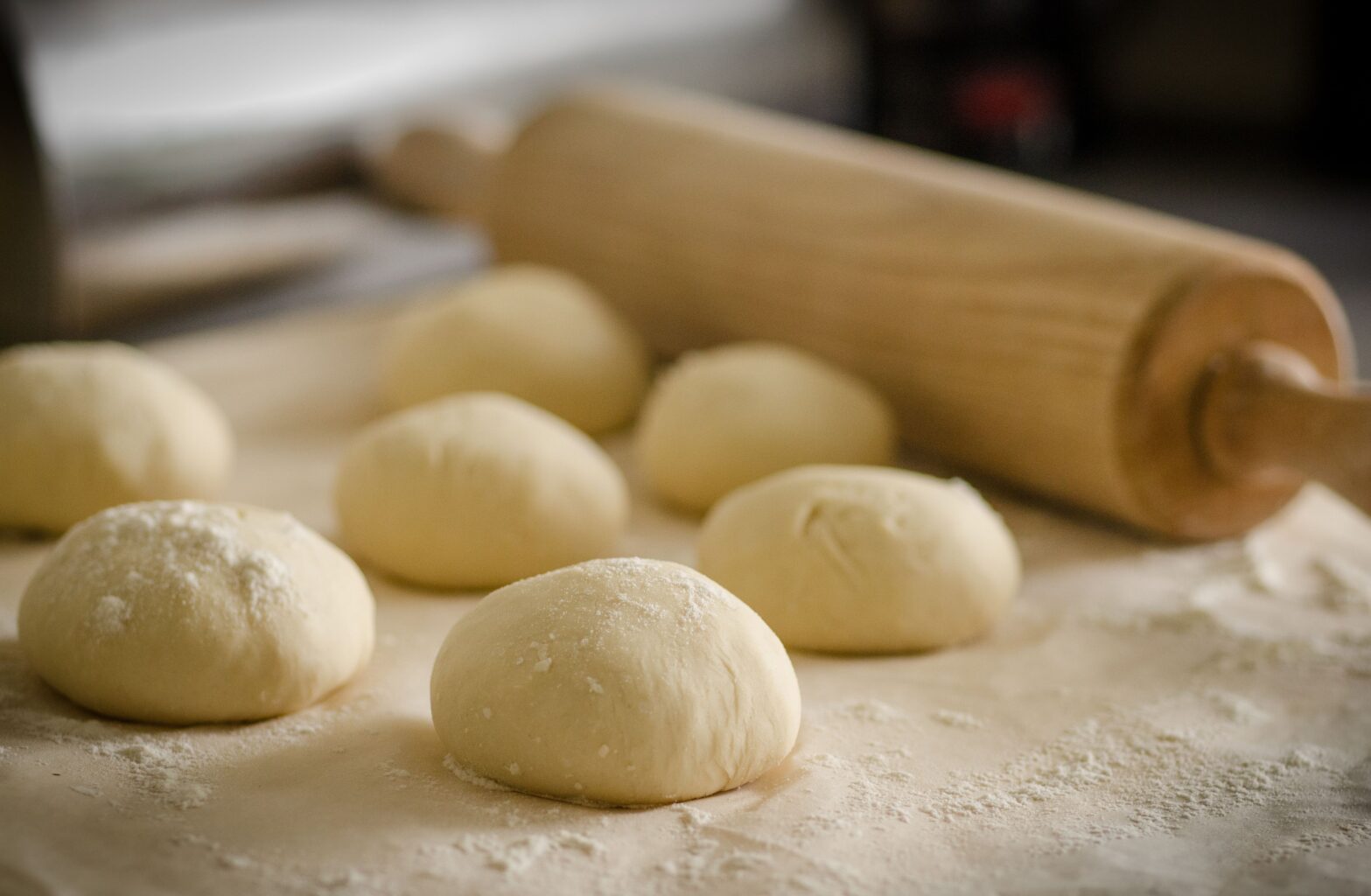
That is why resting homemade dough can make such a difference. A short pause gives the flour time to take in the liquid and helps the dough relax. What feels too dry at first may need more time to rest rather than another splash of water. What feels sticky may be easier to shape once the ingredients settle.
Experienced home cooks often wait before making big adjustments. They know the bowl can change if you give it a moment.
How Flour Changes From Bag to Bag
Even when the bag looks familiar, flour is not always exactly the same. Different brands and protein levels can affect how much liquid flour absorbs. The way flour is measured matters, too. A cup scooped heavily from the bag can hold more flour than one that is lightly spooned and leveled.
That means the same recipe can still produce a different feel. You might notice it in biscuits that seem drier than usual, rolls that need a little more liquid, dumplings that turn sticky faster than expected, or a quick bread batter that looks thicker than it did the last time you made it.
Measuring carefully helps, but it does not remove the need to pay attention. Homemade dough asks home cooks to notice what is happening, not just follow the numbers.
RELATED: Revealing the Winning Secrets For Biscuits and Gravy
How Water Changes the Feel
Water does more than wet homemade dough. It affects texture, stretch, softness, and structure. Too little can make dough feel tight, crumbly, or resistant. Too much can make it sticky, loose, or hard to shape.
The right amount depends on the recipe, but it also depends on the flour, the temperature of the room, and the type of dough being made. A soft roll dough will not feel like biscuit dough. A dumpling dough will not behave like a spoonable cornmeal mixture. Each one gives its own clues.
For home bakers trying to understand why one batch feels firm and another turns sticky, learning the way water changes dough texture can make it easier to adjust by feel instead of starting over.
That adjustment does not have to be dramatic. Sometimes it is a teaspoon of water. Sometimes it is a dusting of flour on the counter instead of more flour worked into the bowl. Sometimes it is nothing at all except a few minutes of rest.
How the Kitchen Changes Homemade Dough
The kitchen has a say, too. A warm room can make dough feel softer more quickly. A humid day can make flour seem like it needs less liquid. Dry winter air can make a familiar homemade dough feel firmer. Even the temperature of the ingredients can matter.
This is why a recipe may behave differently from one season to the next or from one home to another. The recipe has not changed, but the room around it has.
Home cooks do not need to make this complicated. It simply helps to notice what else is different. Was the kitchen warmer than usual? Was the flour stored in a different place? Did the dough rest longer this time? Small details can explain a lot.
How Texture Cues Help Recipes Travel
Many beloved recipes survive because someone remembered how they were supposed to feel. Not every cook wrote down exact measurements, but they often knew the texture. They knew when homemade dough was soft enough to pat, firm enough to roll, or loose enough to spoon. They knew when a batter should fall slowly from a spoon or when dough needed a little more time under a towel.
Those texture cues matter. They help recipes move through families, across kitchens, and from one generation to the next without losing their heart.
If you are trying to preserve a recipe, write down more than the measurements. Note how the dough feels before and after resting. Note whether it sticks lightly to your hands or pulls cleanly from the bowl. Those small observations can be just as useful as cups and teaspoons.
How Small Adjustments Save the Batch
When homemade dough feels too dry, pause before adding more liquid. Cover it and let it rest for a few minutes. If it still cracks, add liquid slowly.
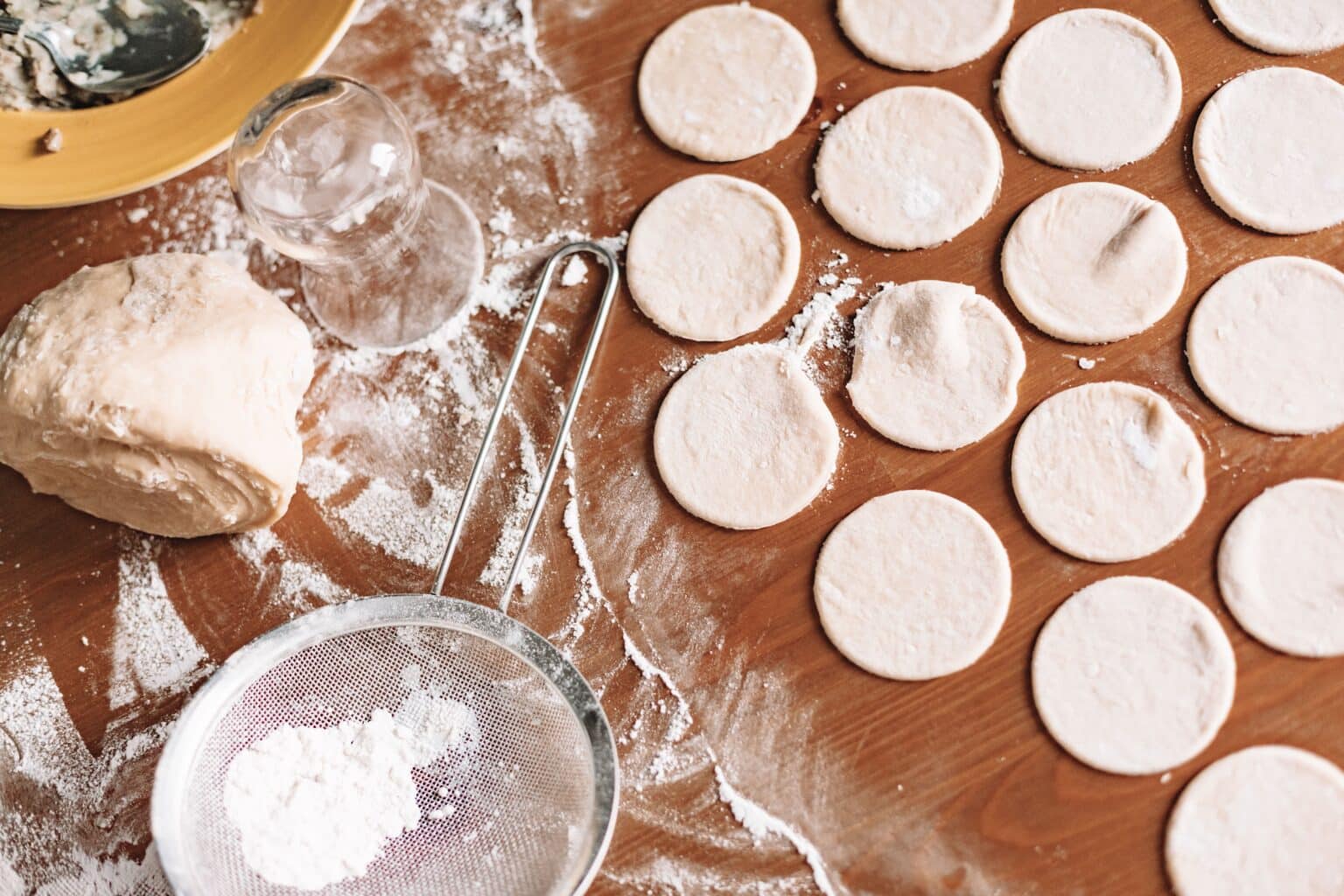
When the dough feels too sticky, resist the urge to pour in a lot of flour. Too much can make the final result heavy or tough. Try lightly flouring your hands or the work surface first.
When the dough feels tight or hard to shape, give it time. Resting can make it easier to roll, pat, or stretch. When it feels too loose, a short rest or chill may help, depending on what you are making.
The point is not to chase perfection. It is to build confidence. Once you understand why homemade dough feels different every time, you can stop blaming yourself for every change and start making small, thoughtful adjustments.
How Home Cooks Learn To Trust the Dough
A good recipe gives you a path. Your hands help you walk it.
Homemade dough will not feel exactly the same every time because home kitchens are full of small changes. The best cooks learn to work with those changes rather than fight them.
That is part of the beauty of home cooking. It leaves room for memory, attention, and instinct. The more you learn to read the dough in front of you, the easier it becomes to carry familiar recipes forward with care.