|
Getting your Trinity Audio player ready...
|
Before the bags are unpacked and before the travel stories begin, there is often one question waiting at the door: “Did you eat?”
For many families, that question is more than polite hospitality. It is a form of care. It says, “You made it.” It says, “We were expecting you.” It also explains why the first meal back home matters most: before anyone settles in, food has already started doing the work of welcome.
That meal may not be the biggest one of the visit. It may not be the spread planned for the holiday, the reunion, or the Sunday table. Sometimes it is leftovers warmed with intention. Sometimes it is a pot kept low because someone checked the arrival time twice. However it comes together, that first meal has a way of turning arrival into belonging.
How a Plate Says You Were Expected
There is a difference between being fed and being expected. The first meal back home often carries the feeling of both.
Someone remembered the dish that always gets requested. Someone knew who wanted extra sauce, who no longer eats pork, or who still asks for the corner piece. These details matter because they say what words sometimes cannot. They tell a person their presence was anticipated before they walked through the door.
That is one reason food remains such a strong part of family culture. Recipes are not only instructions. They are records of attention. They hold the preferences, migrations, and memories of the people who make and eat them.
Across various families, the first meal back home can look different from family to family. It may be gumbo in one home and curry goat in another. It may be jollof rice, greens, oxtails, pepper soup, or the one dish that belongs unmistakably to that family’s table. The specific plate may change, but the message is often the same: you are back where someone knows how to care for you.
Most families have at least one dish that becomes part of the homecoming conversation before the trip even begins. A college student may text ahead asking whether there will be a pan of something waiting. A cousin driving in from another state may mention the meal they have been thinking about for months. A sibling may say they are “not asking for much,” then name the one dish everyone knows takes all afternoon.
These requests are not only about craving food. They are about craving familiarity. A dish made by a parent, grandparent, auntie, uncle, cousin, or family friend can carry a sense of place that no restaurant can exactly recreate. The first meal back home becomes a bridge between who a person was, who they are now, and the family stories that continue to define them.
How Homecomings Begin Before the Big Gathering
When people think about family food traditions, they often picture the main event: the holiday spread, the reunion cookout, or the Sunday dinner. But the first meal back home usually happens before all of that.
It may be the quiet Friday night meal before a busy Saturday gathering. It may be the late-night plate after a long road trip. It may be breakfast the next morning, when everyone is still moving slowly and the conversation has not yet become crowded by the day’s plans.
These smaller meals often set the tone for the entire visit. They give people time to settle in. They make room for the first round of stories, updates, jokes, and questions. They help travelers step out of the pace of airports, highways, work schedules, and outside responsibilities and into the slower rhythm of being known.
That is why the first meal matters so much. It is not always about the presentation. It is about the transition. It helps people become family again before becoming guests at a larger event.
How One Meal Becomes a Visit
Food has a way of stretching time. A plate can become a conversation. A conversation can become another cup of coffee, another slice, or another reason not to leave just yet.
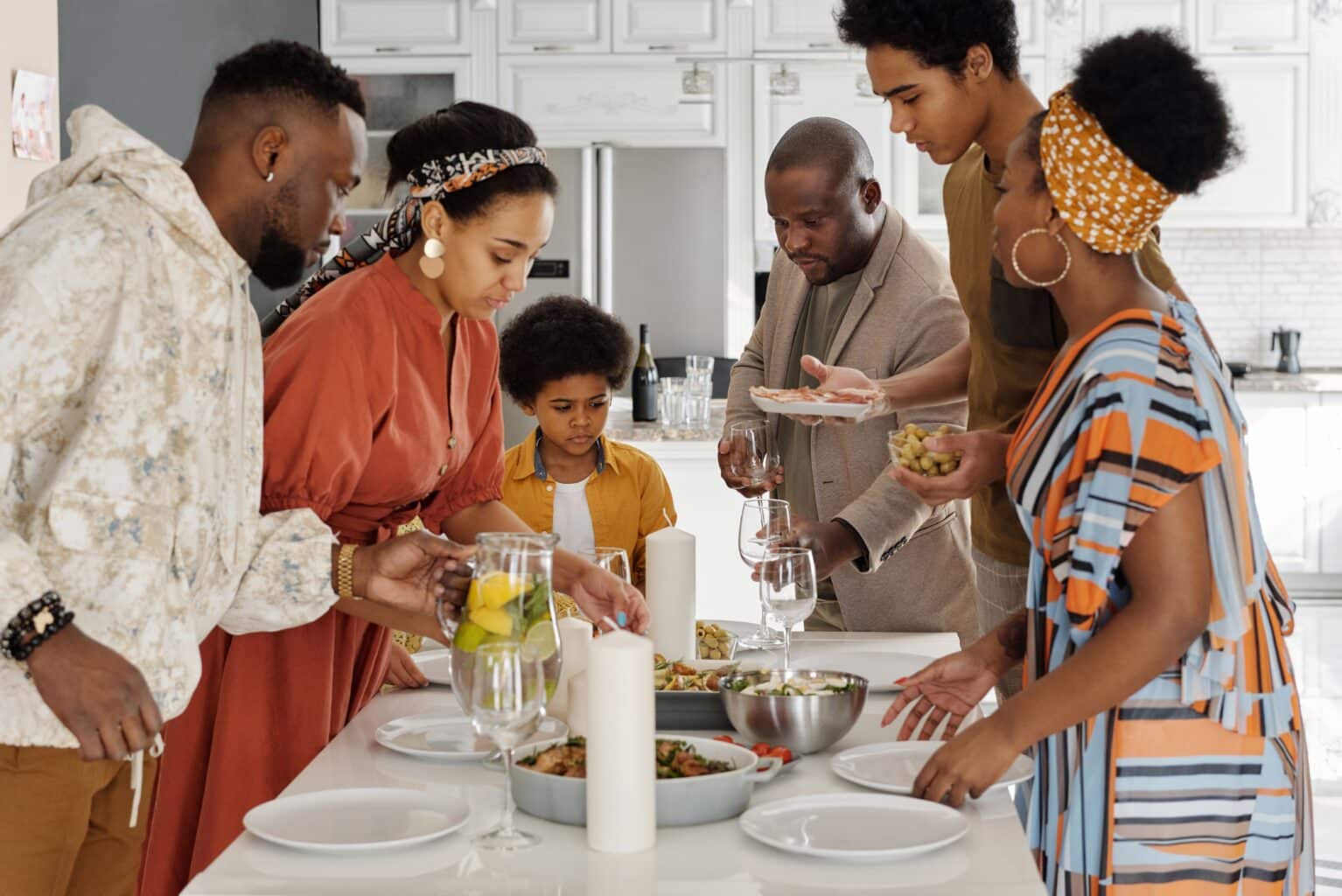
Many homecomings begin with the idea of stopping by for a meal and become something longer. Relatives stay through the evening. Cousins linger after the table is cleared. Elders settle into their favorite chairs. Someone starts packing leftovers, and someone else remembers a story that has to be told before everyone goes to sleep.
When that first meal turns into a weekend of stories, leftovers, and family time, having space for visiting relatives can make the visit feel more comfortable and unhurried.
That comfort matters because food-centered gatherings are rarely only about eating. They are about rest, connection, and the freedom to stay a little longer.
RELATED: Essential Italian Dishes for the Soulful Traveler
How the First Meal Back Home Holds Memory
The first meal back home also creates space for memory to surface naturally.
A certain dish may remind someone of a grandparent. A side may lead to a debate about who makes it best. A dessert may bring up a story from decades ago. Even the way food is served can carry history: the big spoon used for every holiday, the pot that always appears for special occasions, or the serving dishes younger relatives recognize before they understand its origins.
These moments do not always arrive as formal lessons. Often, they happen between bites. Someone explains why a recipe changed after a family moved. Someone remembers how a dish was stretched to feed more people. Someone names the person who first brought a certain tradition into the family.
For younger generations, these conversations can be as nourishing as the meal itself. They offer continuity and show that food is not separate from family history. It holds migration, creativity, survival, and joy. It is one of the ways those histories remain present.
This is another reason the first meal back home matters. It gives people something to gather around while the stories find their way into the room.
How Food Says More Than Words
The first meal back home is rarely just about hunger. It is about recognition.
It says that someone noticed the distance traveled. It says that a person’s return changed the rhythm of the house. It says that love can be practical, flavorful, and waiting on the stove.
In a world where people often move far from the places and people who raised them, that kind of welcome can feel grounding. The meal may be simple or elaborate. It may be planned or improvised. What matters is the feeling it creates.
That first plate reminds people that home is not only a location. It is a collection of gestures. It is the dish someone remembered, the seat made available, and the story that starts after the first bite. It is the comfort of being fed by someone who understands that food can say, “We missed you,” “Stay awhile,” and “You belong here.”
Long after the visit ends, people may forget every detail of the trip. But they often remember the first meal. They remember the taste, the welcome, and the feeling of coming home to a plate made with them in mind.